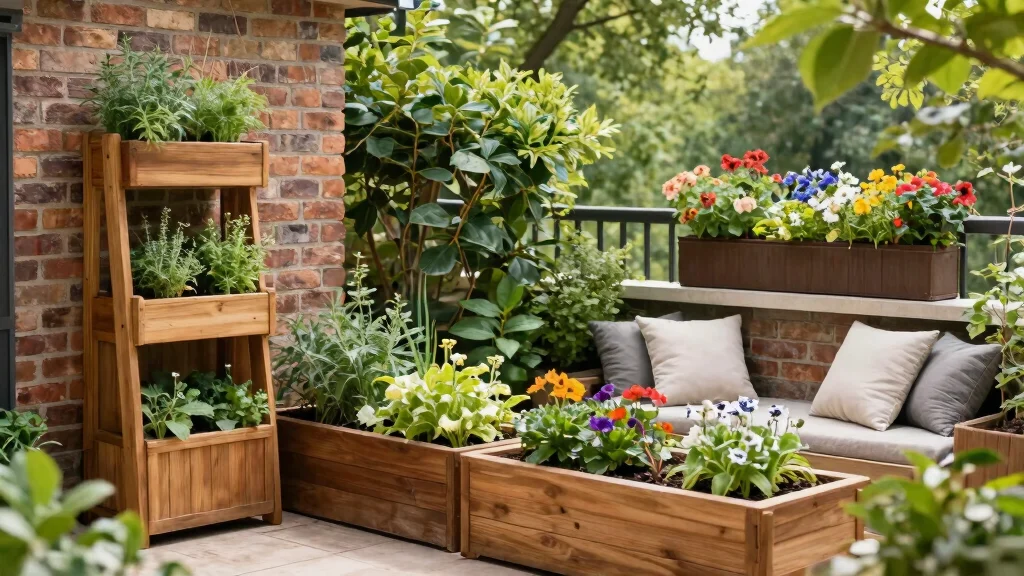
Creating a beautiful garden can feel daunting, especially if you’re working with a limited budget or a small space. That’s why I put together this post. Whether you’re just starting out or are a seasoned gardener, finding the right planter box ideas can be the key to transforming your gardening experience. From vertical gardens that make the most of tight quarters to stylish DIY projects perfect for any budget, there’s something here for everyone.
If you’re someone who loves spending time outdoors, nurturing plants, and growing your own food, this guide is for you. You might be looking for creative ways to maximize your space or perhaps seeking budget-friendly options that won’t break the bank. Whatever your gardening ambitions may be, you’ll discover 15 unique planter box ideas that are practical, affordable, and sure to spark your creativity.
By the end of this post, you’ll have a variety of planter box concepts to choose from, helping you decide what fits your garden size and aspirations best. You can create a thriving garden, even in the tiniest of spaces, and enjoy the satisfaction of growing your own plants. Let’s dig in!
Key Takeaways
– Explore a diverse range of planter box ideas to suit any garden size, from vertical gardens to raised beds.
– Discover budget-friendly gardening options that let you enjoy the benefits of gardening without overspending.
– Learn about DIY planter boxes that allow you to personalize your garden space with your own flair.
– Understand how small space gardening techniques can maximize your planting potential, even in limited areas.
– Find inspiration for container gardening that can help you grow vegetables, herbs, and flowers right at your doorstep.
1. Vertical Garden Planter for Small Spaces
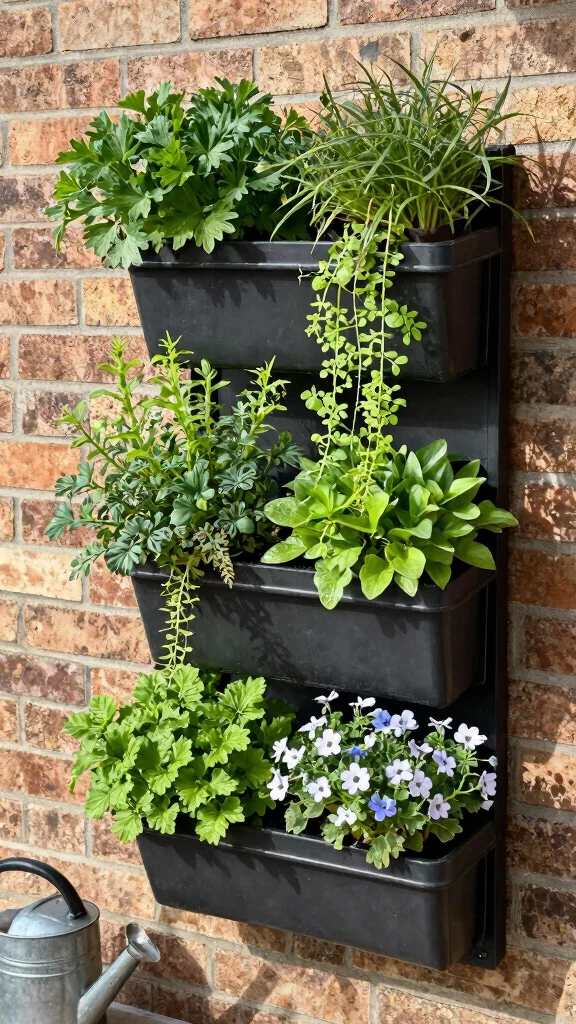
If you’re short on space but want to embrace gardening, vertical garden planters are your solution. These ingenious setups utilize walls or fences to create a lush display that doesn’t occupy valuable ground area. With materials like wood or metal, you can easily craft a sturdy vertical planter that showcases a mix of succulents, herbs, or vibrant flowering vines, breathing life into tight corners of your home or patio.
Start by making sure your vertical garden gets enough sunlight, as this is crucial for plant growth. Consider using lightweight potting soil, which makes planting and maintenance a breeze. Select plants that flourish in vertical settings, ensuring a thriving garden that fits your unique style.
Key benefits of vertical garden planters:
– Maximize small spaces effectively.
– Simplify maintenance and watering.
– Create eye-catching visuals in any area.
– Tailor your design to reflect your personality.
This approach not only enhances your space but allows you to enjoy fresh greenery even in the smallest of areas. You’ll appreciate the transformation as your vertical garden flourishes.
Key Trade-offs & Our Top Pick
Option Comparison
Vertical Garden Planter
– Pros: ✔ Maximizes vertical space for small areas, ✔ Keeps plants accessible, ✔ Aesthetically pleasing and can be a focal point in your garden.
– Cons: ❌ Limited planting depth may restrict root growth, ❌ More frequent watering may be needed, ❌ Initial setup can be time-consuming.
– Best for: Urban gardeners with limited floor space looking to add greenery.
DIY Hanging Planters
– Pros: ✔ Cost-effective and customizable, ✔ Ideal for small spaces, ✔ Can be made from recycled materials, promoting sustainability.
– Cons: ❌ Limited to lightweight plants, ❌ Requires regular maintenance to prevent water damage, ❌ May not hold up well in extreme weather.
– Best for: Creative gardeners who enjoy crafting and want to showcase their plants in unique ways.
Stackable Planter Boxes
– Pros: ✔ Versatile for different plant types, ✔ Easy to assemble and disassemble, ✔ Great for maximizing height in small gardens.
– Cons: ❌ Stability can be an issue if not properly secured, ❌ Limited soil volume may restrict root development, ❌ More expensive than basic planters.
– Best for: Gardeners who want flexible options to grow a variety of plants in limited space.
Window Box Planters
– Pros: ✔ Perfect for small spaces and enhances curb appeal, ✔ Easy to install, ✔ Ideal for herbs, flowers, and small vegetables.
– Cons: ❌ Requires regular watering due to sun exposure, ❌ Limited planting options for larger plants, ❌ May need brackets or supports that can be an additional cost.
– Best for: Homeowners looking to beautify their windows while growing small plants.
Raised Garden Beds
– Pros: ✔ Good drainage and soil control, ✔ Less bending over while gardening, ✔ Can be built to any size for your space.
– Cons: ❌ Higher initial cost for materials, ❌ Requires more space than other options, ❌ Can dry out faster, needing more frequent watering.
– Best for: Serious gardeners wanting a dedicated space for vegetables and flowers.
Expert Recommendation:
Best Overall: Vertical Garden Planter
The vertical garden planter stands out as the best overall choice for most gardeners. It offers excellent value for money by maximizing your space, making it perfect for tight areas like patios or balconies. With ease of use and the ability to grow a variety of plants, this option is perfect for beginners and seasoned gardeners alike. Its long-term durability makes it a practical investment for anyone looking to green up their living area.
Why We Picked This:
While the vertical garden planter is versatile, DIY hanging planters are perfect for crafty individuals looking to personalize their garden. Stackable planter boxes work well for those wanting flexibility, while raised garden beds offer a more traditional approach for committed gardeners. Each option has its merits, so consider your specific needs when making your choice!
2. Stylish Pallet Planters
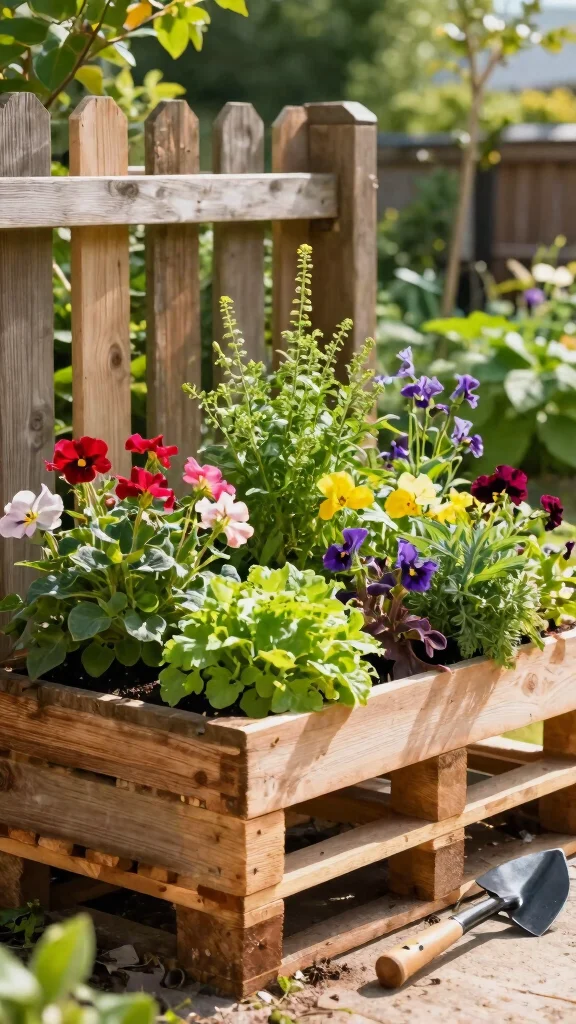
Transforming old wooden pallets into planter boxes is both trendy and budget-friendly. These pallet planters blend seamlessly into various environments, whether you’re going for a rustic or modern aesthetic. Simply lay the pallet flat or stand it upright, fill the sections with soil, and choose your favorite plants to create a lively display that reflects your creativity.
Remember to sand down any rough edges for safety and line the inside with landscape fabric to keep soil from spilling out. Elevating your pallet planter on bricks can enhance drainage, ensuring your plants thrive in a healthy environment.
Key advantages of pallet planters:
– Affordable and easy-to-find materials.
– Versatile design options for any garden.
– Perfect for both ornamental flowers and edible plants.
This DIY project empowers you to express your gardening style while being eco-conscious. Enjoy the satisfaction of a unique planter that adds charm to your outdoor space!
3. DIY Hanging Planters
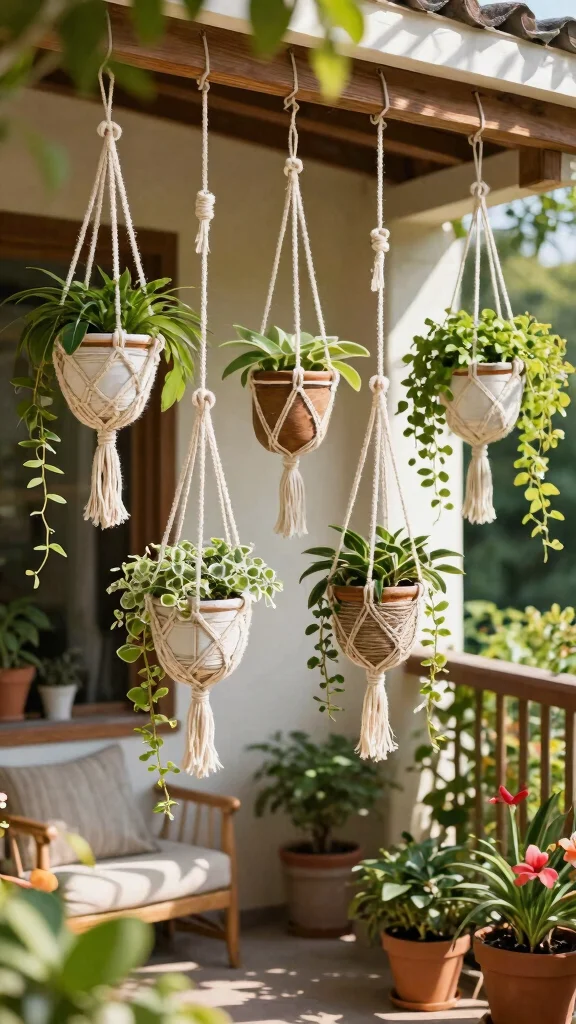
Hanging planters are a delightful way to infuse your home or balcony with greenery without sacrificing floor space. Ideal for trailing plants like pothos or strawberries, these planters can be crafted from materials such as macramé, metal chains, or even repurposed items like teacups or jars. The customization options are endless, allowing you to tailor the look to fit your space perfectly.
Be mindful of your watering routine, as hanging planters tend to dry out faster than traditional pots. Choose a sunny spot for your plants to flourish, and get creative with your design to make a stunning display.
Key benefits of hanging planters:
– Add vertical dimension to your home.
– Suitable for both indoor and outdoor use.
– Fun and easy DIY project to personalize your space.
Your hanging planters will not only beautify your surroundings but also give you a sense of accomplishment as your plants thrive in their unique homes!
4. Raised Garden Beds for Easy Access
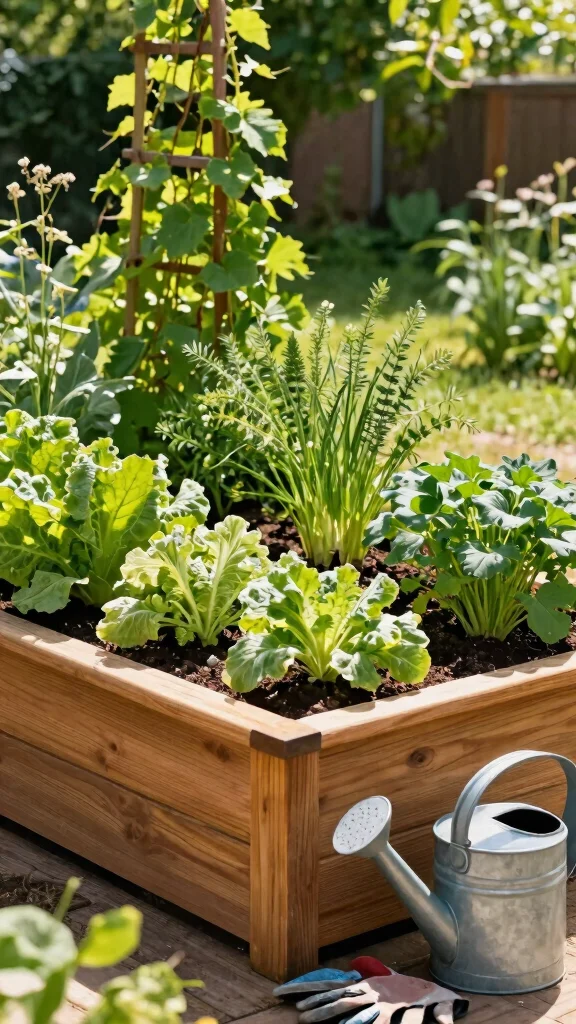
Raised garden beds are a wonderful solution for those eager to dive into vegetable gardening. They improve drainage, enhance soil quality, and reduce the need to bend down, making gardening more accessible. You can make these beds from wood, bricks, or even recycled materials, allowing you to customize them to suit your outdoor space.
Ensure you use rot-resistant wood for durability and fill your raised bed with a rich mix of soil and compost. Adding a trellis can give you additional vertical space for climbing plants, maximizing your harvest.
Key advantages of raised garden beds:
– Decrease soil compaction for healthier plants.
– Warm up faster in spring for earlier planting.
– Simplify pest and weed management.
This method enables you to enjoy gardening with ease and efficiency. Soon, you’ll see your plants thrive and your gardening dreams come to life!
5. Colorful Container Gardening
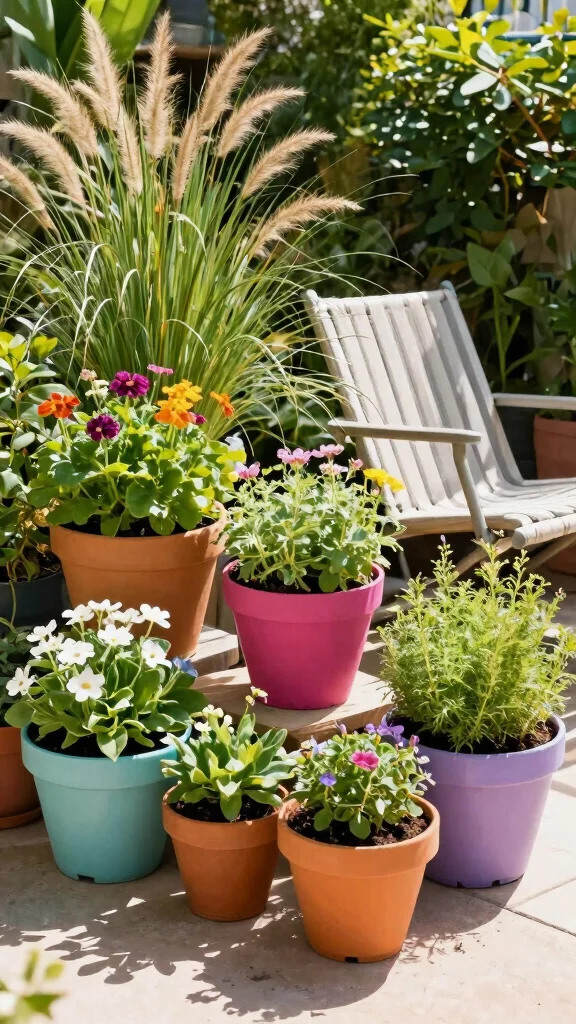
Container gardening opens up a world of creative possibilities for those with limited outdoor space. With a variety of pots available—ceramic, plastic, or even repurposed items like buckets—your options are virtually limitless. Mix and match colors, shapes, and sizes to craft a striking visual display filled with ornamental grasses, vibrant flowers, or dwarf fruit trees.
Ensure that your containers have proper drainage holes to avoid overwatering. This setup allows you to control the growing environment, making it perfect for balconies or patios.
Key benefits of container gardening:
– Highly customizable and portable options.
– Ideal for small spaces or urban living.
– Provides a controlled environment for healthy plants.
Your container garden will not only look beautiful but also allow you to enjoy gardening even in the smallest of spaces. The vibrant colors and lively plants will brighten up your surroundings!
Fun fact: A tiny balcony can bloom with ornamental grasses, colorful flowers, or dwarf fruit trees—great planter box ideas—using just three containers with proper drainage. Mix ceramic, plastic, and repurposed pots for a vibrant, space-saving container garden—no yard required.
6. Tower Garden for Urban Spaces
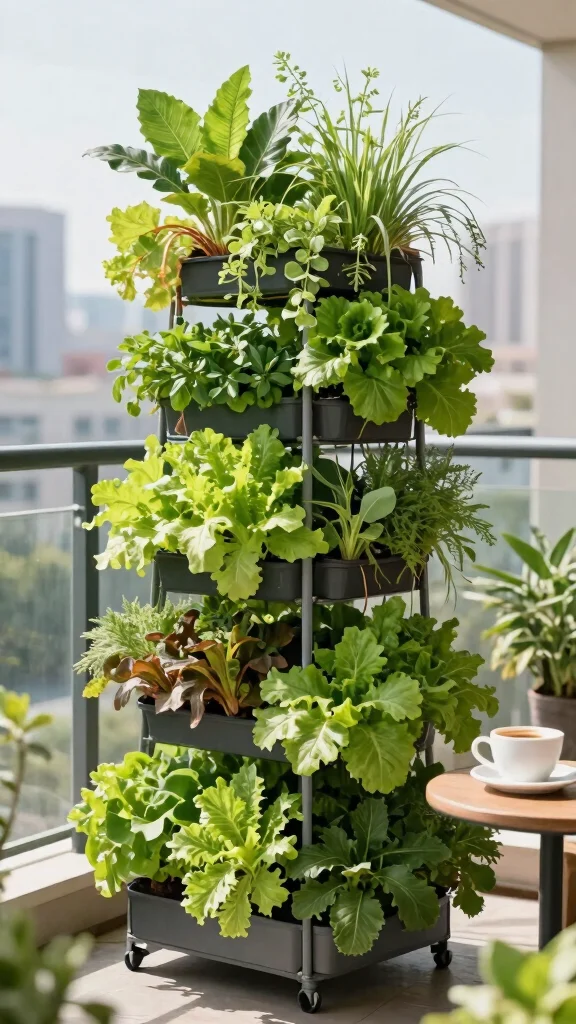
Tower gardens are perfect for urban residents who want to maximize their growing potential in limited ground space. These vertical systems often use hydroponics, requiring less soil and fitting neatly into compact areas. You can easily grow fresh produce like lettuce, spinach, and herbs, right at your doorstep, making healthy eating convenient.
Choose a bright location for your tower garden and ensure it gets enough light. Regularly monitor water levels for optimal growth, and enjoy the ease of maintaining your vertical garden.
Key advantages of tower gardens:
– Space-efficient design ideal for urban settings.
– Reduced water usage compared to traditional gardening.
– Quick growth of edible plants for fresh harvests.
With a tower garden, you’ll effortlessly incorporate fresh produce into your meals, transforming your cooking experience while embracing sustainable living!
7. DIY Wine Barrel Planters
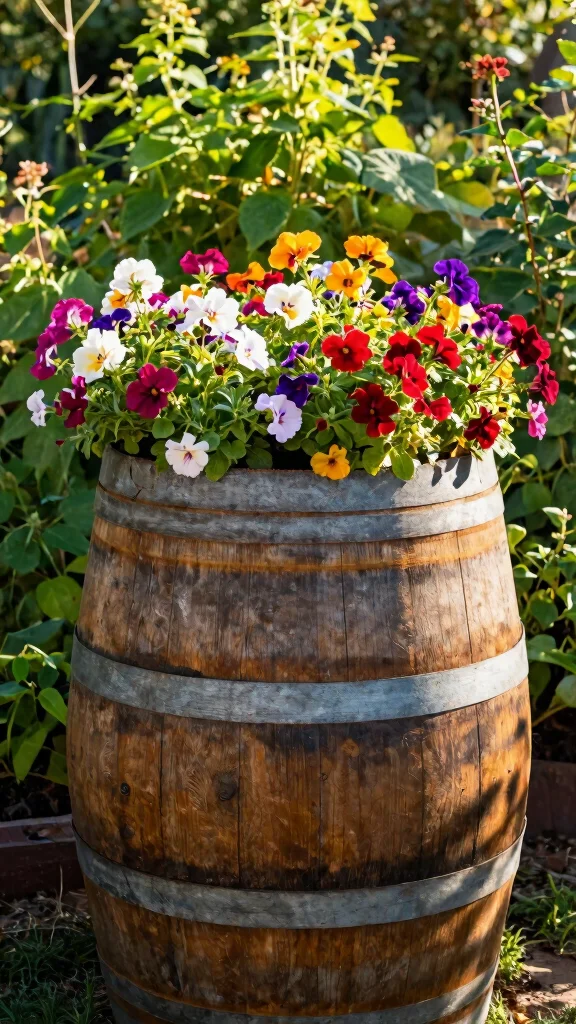
Repurposing old wine barrels into planters adds a touch of rustic charm to any garden space. Their unique curved shape is perfect for planting a variety of flowers or vegetables, creating an eye-catching focal point. Fill the barrels with nutrient-rich soil and place them strategically to enhance your garden’s appeal.
Before planting, ensure the barrels are clean and safe for use. You might need to drill drainage holes if they aren’t already present. Lining the interior with landscaping fabric helps keep the soil in place while allowing excess moisture to escape.
Key advantages of wine barrel planters:
– Unique and attractive aesthetic.
– Excellent drainage and moisture retention.
– Durable choice for outdoor conditions.
Your wine barrel planters will not only enhance the beauty of your garden but also yield an abundance of colorful blooms or fresh vegetables for your enjoyment!
8. Minimalistic Concrete Planters
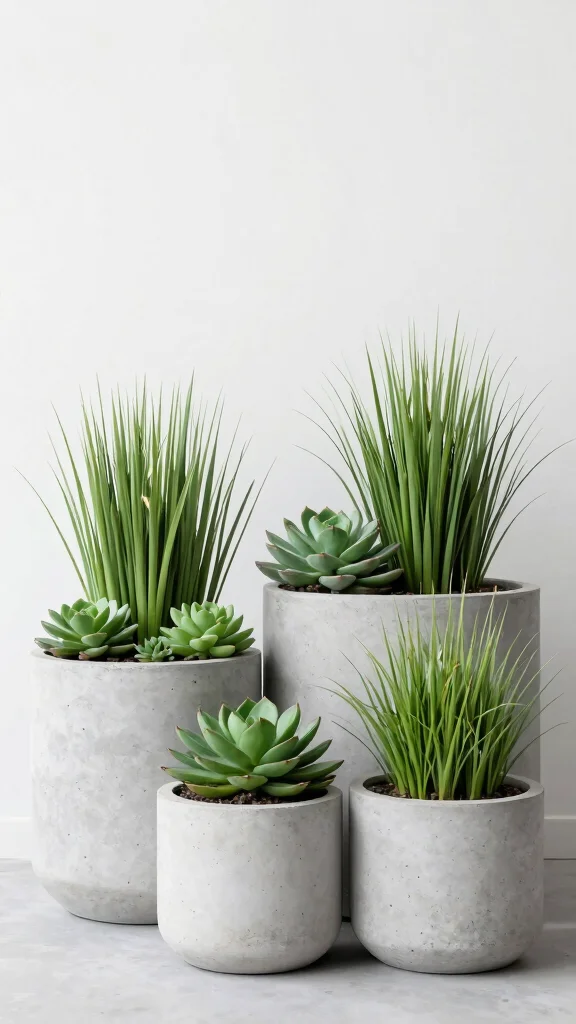
For a modern look, concrete planters are in vogue due to their clean lines and industrial feel. These sturdy planters can be crafted in various shapes and sizes, allowing you to personalize your garden’s aesthetic. Concrete is highly durable and can withstand the elements, making it ideal for outdoor use.
Consider adding drainage holes to your concrete planters to prevent excess water. You can either create custom molds or purchase pre-made designs that match your style.
Key advantages of concrete planters:
– Long-lasting and extremely durable.
– Complements contemporary design themes.
– Offers creative possibilities with shapes and sizes.
Your concrete planters will enhance your outdoor space, showcasing your plants beautifully while providing a touch of modern elegance!
9. Succulent Garden Boxes
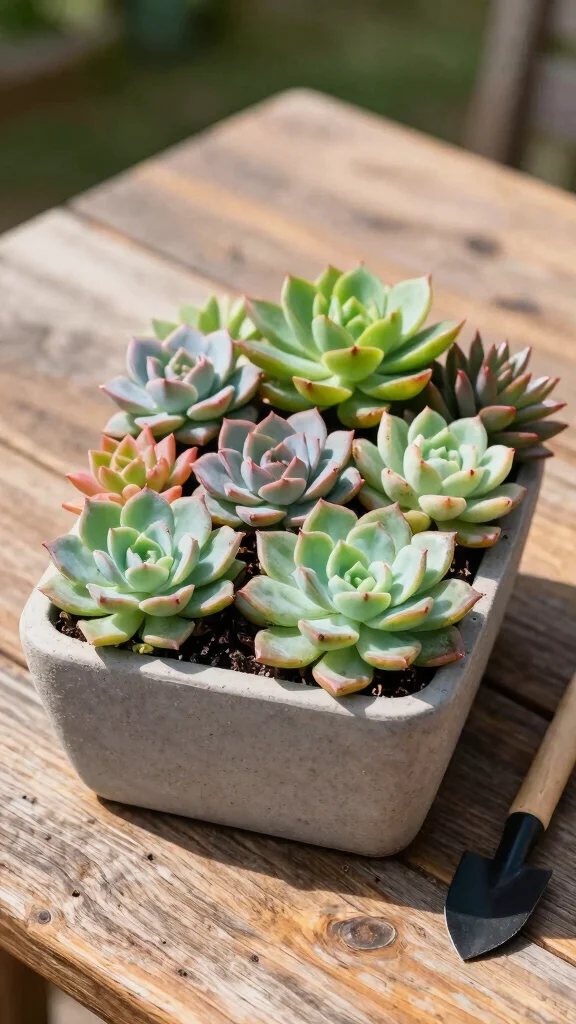
Succulents are perfect for those who want low-maintenance greenery in their lives. A dedicated succulent planter box can serve as a stunning centerpiece in both indoor and outdoor settings. By mixing different types of succulents, you can create an eye-catching display that boasts various shapes and colors.
These hardy plants thrive in well-draining soil, making them ideal for beginner gardeners. Ensure you provide plenty of sunlight, especially during winter months, and consider adding companion plants for an interesting mix.
Key benefits of succulent boxes:
– Require minimal watering and effort.
– Available in a variety of colors and forms.
– Thrive in bright, sunny spots.
Creating your succulent planter box will not only beautify your space but also offer you a rewarding gardening experience with minimal fuss!
Did you know succulents store water in their leaves for months? Succulent planter box ideas prove a vertical display can hold 8-12 plants in a small space and still look lush with minimal care.
10. Wire Frame Hanging Basket
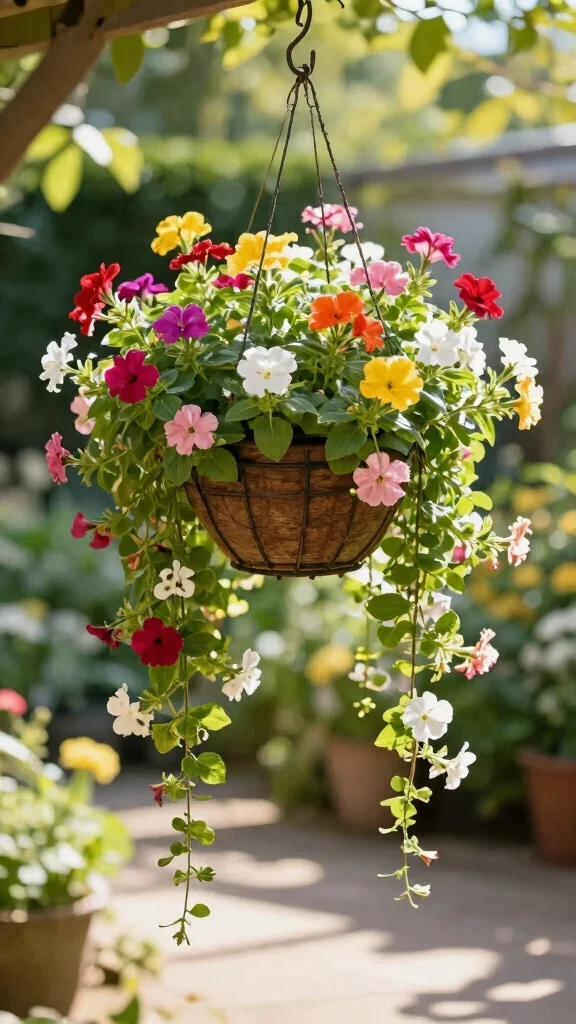
Wire frame hanging baskets provide an innovative way to display plants, particularly cascading varieties. Their design allows for excellent air circulation around the plants, promoting healthy growth. These baskets can be lined with coco fibers for both aesthetics and functionality, making them ideal for flowering plants or trailing vines.
Ensure proper drainage by using a suitable liner, and place your basket in a spot that receives ample sunlight. Regularly check soil moisture since hanging baskets can dry out more quickly than traditional pots.
Key benefits of wire frame baskets:
– Perfect for creating a cascading plant effect.
– Lightweight and simple to hang.
– Promotes maximum air circulation for healthy plants.
Your wire frame hanging baskets will not only enhance your garden’s visual appeal but also create a stunning display of your favorite plants!
11. Fabric Grow Bags
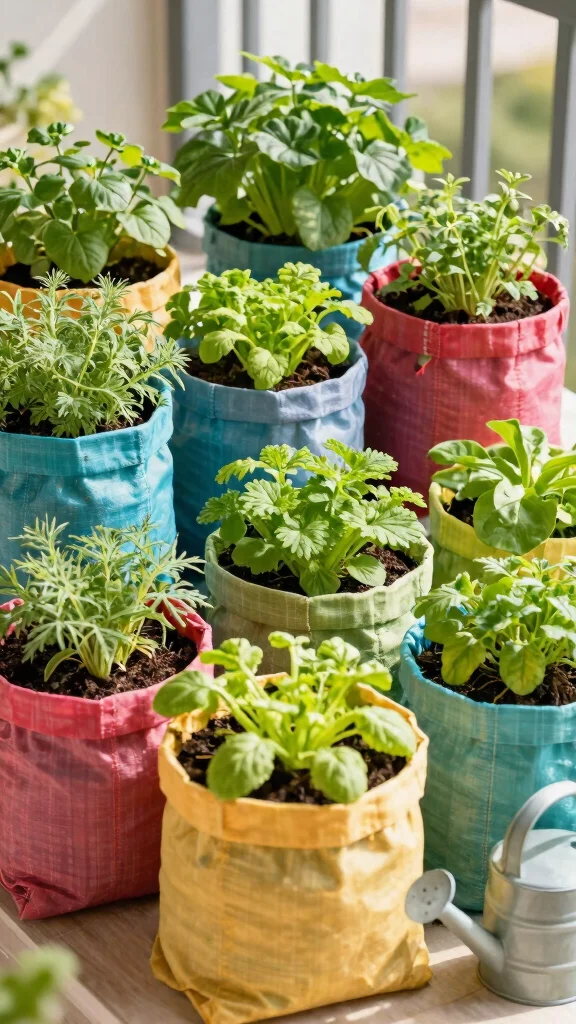
Fabric grow bags are a practical and affordable solution for small space gardening. These breathable, lightweight bags make it easy to move your plants around, perfect for growing vegetables or herbs on patios and balconies. They encourage excellent drainage and aeration, leading to healthier root systems.
Choose the right size for your plants, and fill the bags with a quality soil and compost mix. Position them in a bright location and ensure even watering for the best results.
Key advantages of fabric grow bags:
– Lightweight and portable for easy gardening.
– Promotes root air pruning for robust growth.
– Easy to store when not in use.
Using fabric grow bags allows you to enjoy the benefits of gardening without the hassle of traditional planters. You’ll love how easy they are to maintain and the vibrant plants they produce!
12. Window Box Planters
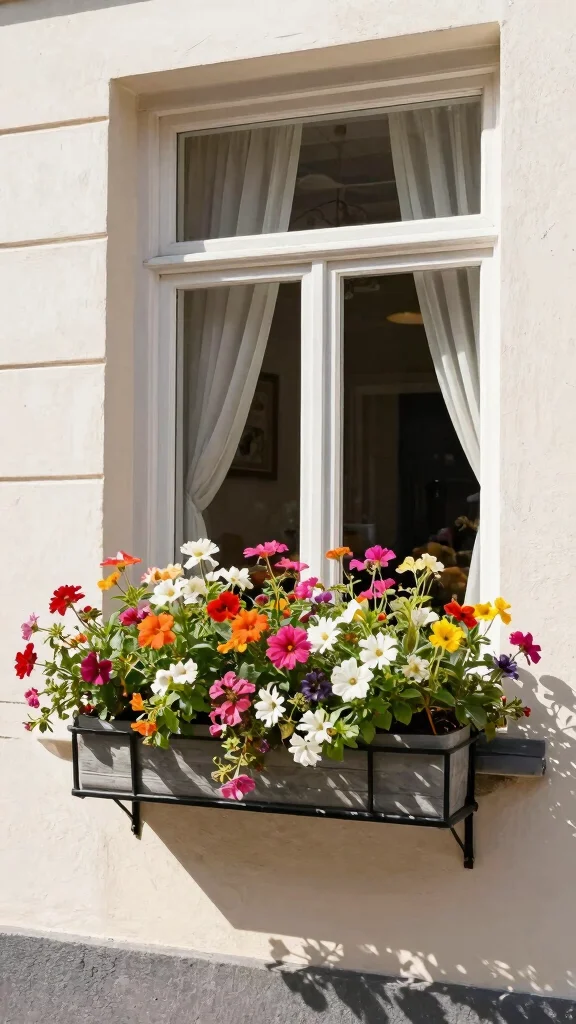
Window box planters add a splash of color and life to your home’s exterior. Perfect for flowers or trailing vines, they can transform an ordinary window into a charming focal point. Securely attach these boxes to windowsills or railings and fill them with seasonal blooms for a constantly changing view.
Proper drainage is essential to prevent soggy soil, so ensure your window boxes are designed to allow excess water to escape. Regular watering is key, especially during hot weather, to keep your plants thriving.
Key benefits of window box planters:
– Enhance your home’s curb appeal.
– Ideal for small spaces and apartments.
– Easily changeable with the seasons.
Your window box planters will not only beautify your home but also provide you with a delightful view that changes throughout the year!
13. Edible Herb Spiral
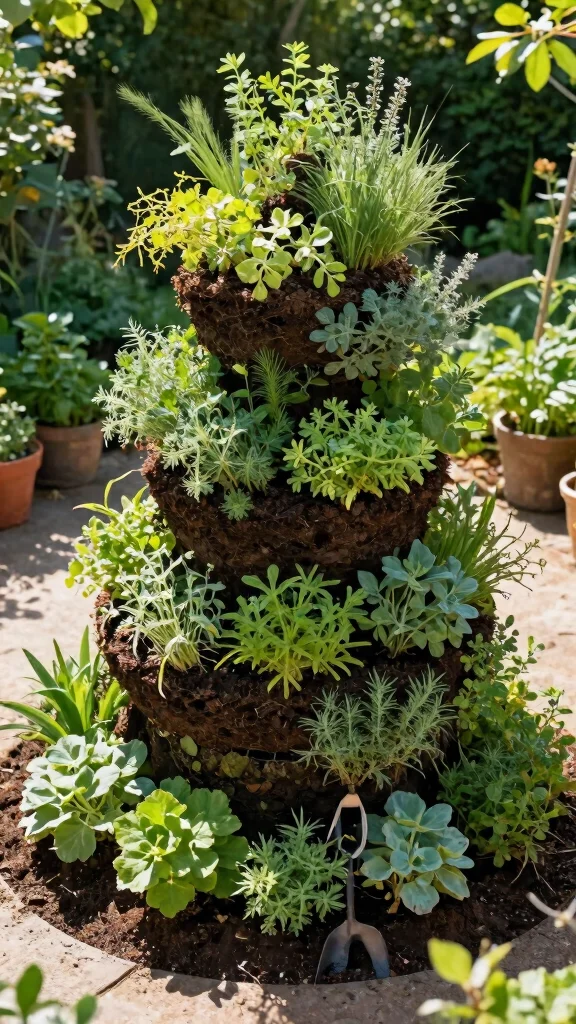
Creating an herb spiral is an innovative way to maximize space while growing a variety of herbs. This vertical design allows you to create microclimates for herbs that thrive under different sunlight and moisture conditions. Not only is it visually appealing, but it also offers practicality for space-saving gardening enthusiasts.
Use natural stones or bricks to construct your spiral, positioning it in a sunny location for optimal growth. Water different levels according to the specific needs of the herbs you plant, ensuring they flourish.
Key benefits of herb spirals:
– Attractive and functional design for gardening.
– Accommodates diverse plant requirements.
– Easy to maintain and harvest herbs.
An herb spiral will not only enhance your garden’s aesthetic but also provide you with fresh herbs right at your fingertips, making cooking a pleasure!
Fun fact: Among planter box ideas, a compact herb spiral fits on a balcony as small as 2×3 feet and can host 6–9 herb varieties. Its layered microclimates boost growth with different sun and moisture levels.
14. Repurposed Furniture Planters
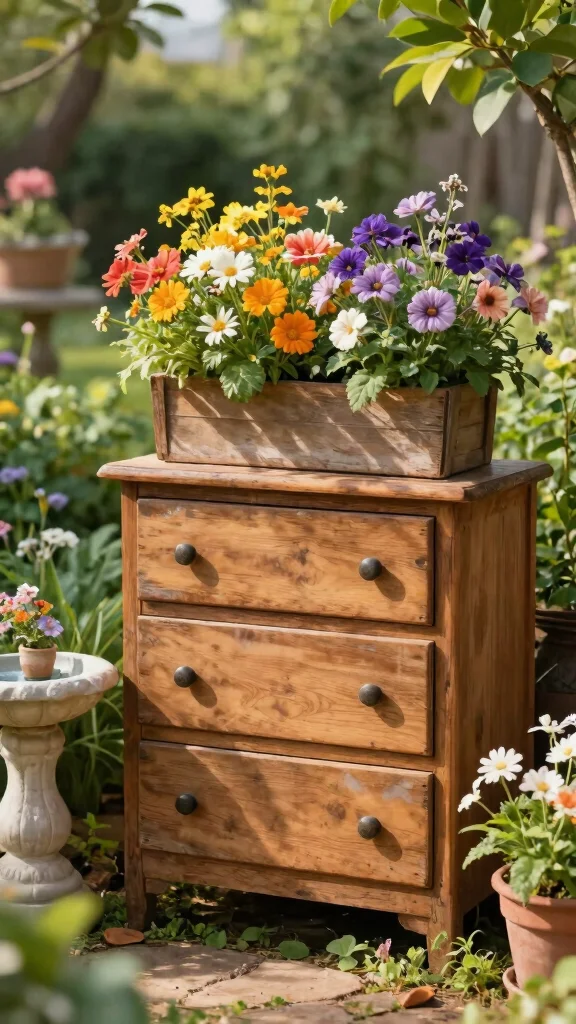
For those who love DIY projects, turning old furniture into planters can add unique character to your garden. Items like dresser drawers, old chairs, or wooden ladders can be transformed into charming planters that showcase vibrant flowers or lush foliage. This creative approach not only recycles old furniture but also makes a bold statement in your outdoor space.
Be sure to drill drainage holes to prevent water buildup, and prepare surfaces for planting to ensure your plants thrive. Using liners can help retain soil and moisture while enhancing the look.
Key benefits of repurposed planters:
– Adds a personal touch to your garden design.
– Eco-friendly and sustainable choice.
– Endless creative possibilities for expression.
Repurposing furniture into planters will not only help you declutter but also create a garden that reflects your personality and style!
15. Stackable Planter Boxes
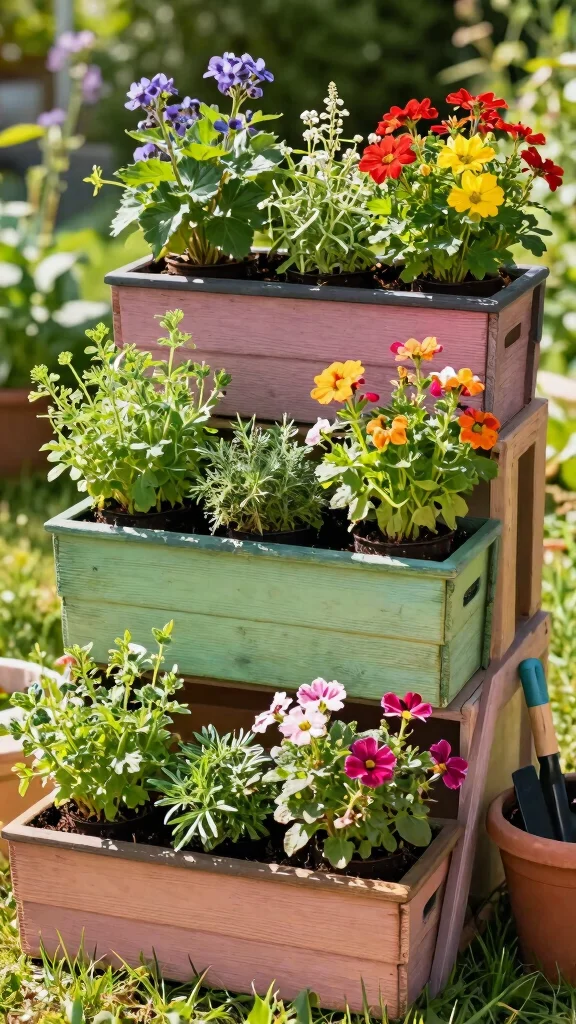
Stackable planter boxes offer an ingenious way to maximize vertical space in your garden. You can arrange them in various configurations to suit your area, whether it’s a balcony or patio. These innovative planters allow you to grow multiple plants in a compact setup without compromising on style.
Ensure that each layer offers proper drainage, and choose plants that thrive under similar conditions for best results. Mixing textures and colors will create a visually appealing tiered garden that stands out.
Key benefits of stackable planters:
– Customizable and adjustable for your space.
– Ideal for small spaces and urban gardening.
– Encourages creative configurations for unique gardens.
With stackable planters, you’ll enjoy the beauty and bounty of a flourishing garden, even in limited spaces!
Conclusion
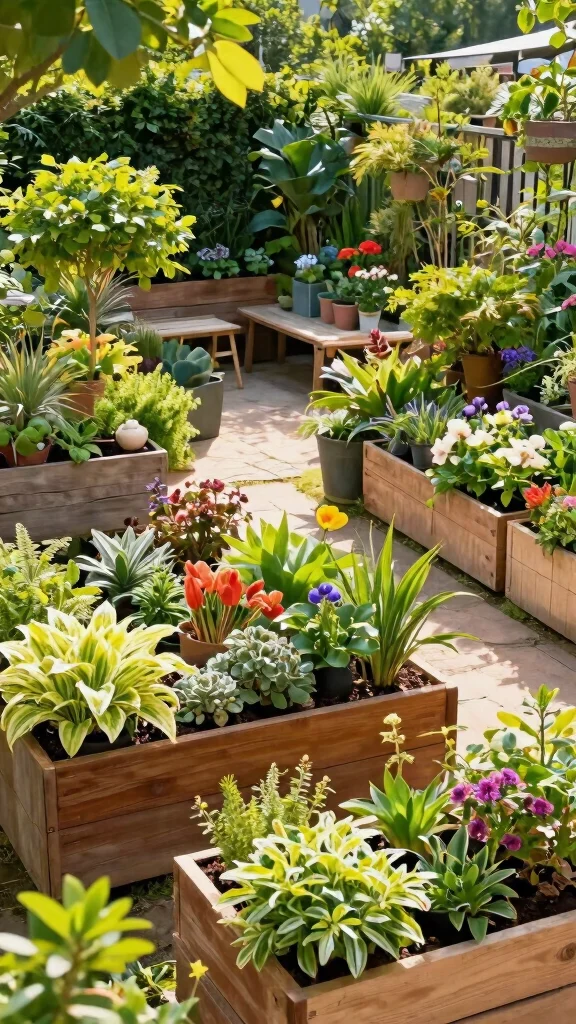
Exploring these 15 planter box ideas opens up a world of possibilities for transforming any gardening space, big or small. From DIY projects that showcase your creative flair to budget-friendly options that make gardening accessible for everyone, there’s something here for every gardener.
Whether you choose to go vertical, get creative with repurposed materials, or opt for stylish designs, these planter boxes can enhance your gardening experience. Now, it’s your turn to dig in and start creating your own beautiful garden!
Note: We aim to provide accurate product links, but some may occasionally expire or become unavailable. If this happens, please search directly on Amazon for the product or a suitable alternative.
This post contains Amazon affiliate links, meaning we may earn a small commission if you purchase through our links, at no extra cost to you.
Frequently Asked Questions
What are some practical vertical planter box ideas for small spaces?
Vertical gardening is your friend for small spaces. Try a repurposed ladder with shallow planter boxes, a wall-mounted rail system, or stacked crates to create a compact vertical garden. These planter box ideas work great for small space gardening and container gardening when ground space is limited. Start in a sunny spot, use lightweight potting mix, and consider a simple drip line or water reservoir to keep moisture even.
Mix and match different heights and colors to create an eye-catching display while keeping maintenance manageable. Pro tip: choose containers with good drainage and reuse sturdy recycled materials to keep your budget-friendly gardening goals on track.
How can I build budget-friendly DIY planter boxes for vertical gardening?
To keep costs down, build from affordable materials like cedar offcuts, repurposed pallet wood (check for treatments), or recycled plastic bins. Plan drainage holes, line the inside with landscape fabric, and assemble with basic screws and brackets to create tiers or a ladder-style frame. Fill with a light, rich potting mix designed for containers, and add a simple watering plan such as a drip bottle or small reservoir.
Attach the DIY planter boxes to a wall, railing, or a freestanding frame so you can rearrange as plants grow. This approach blends DIY planter boxes creativity with container gardening practicality and budget-friendly gardening.
What plants are best suited for vertical planter boxes in small space gardening?
Think compact, sun-loving varieties that maximize yield per inch. Herbs like basil, parsley, and thyme are perfect for vertical pockets. Leafy greens such as baby lettuce, spinach, and arugula grow quickly in shallow boxes. For vegetables, choose compact cultivars or cherry tomatoes on a mounted trellis, along with strawberries for a productive, space-saving setup. Trailing plants like nasturtiums can add color and camouflage less attractive edges. Ensure you match sun exposure (6+ hours for sun lovers) and group plants with similar water needs.
Use this mix in your small space gardening plan to harvest a diverse crop without crowding the ground.
Remember to monitor soil depth and root space to keep roots happy in planter box ideas.
How do I ensure proper drainage and soil health in vertical planter boxes?
Begin with containers that have drainage holes and use saucers to catch excess water. Choose a light, well-draining potting mix or a blend designed for containers, not heavy garden soil. Provide at least 6–8 inches of depth for deeper-rooted herbs or vegetables; shallower depths work for most herbs. Line the boxes with a breathable liner to protect the wood and prevent rot. Water in the morning and consider a simple drip irrigation or self-watering setup to maintain even moisture.
Healthy drainage is essential for container gardening and planter box ideas to thrive in small space gardening.
Can vertical planter ideas be combined with raised garden beds for a cohesive small-space garden?
Absolutely. Place vertical planters along the edges of a raised bed to maximize space, or mount them on the sides of the frame. Use trellises or wire panels anchored to the raised bed to support climbing herbs or flowering vines. Keep a consistent soil mix and watering routine across both systems for ease. Choose compact or trailing varieties to blend with raised bed crops. This approach fits budget-friendly gardening by using existing materials and extending your growing area without expanding the footprint.
Tips: orient the vertical planters toward sun, group plants with similar water needs, and rotate crops seasonally to keep both systems productive.
In short, vertical planters can be a natural extension of raised beds in your small space gardening setup while staying true to planter box ideas.
Related Topics
planter box ideas
vertical gardening
small space gardening
budget-friendly gardening
DIY planter boxes
raised garden beds
container gardening
urban gardening
easy gardening
beginner friendly
creative planters
outdoor decor