As the days get longer and warmer, there’s something about the season that makes me crave fresh ingredients. There’s nothing quite like the taste of a home-cooked meal seasoned with vibrant herbs right from your own garden. This post was born out of my passion for cooking and a desire to make it easy for everyone to enjoy fresh herbs at home, no matter how small your space may be.
If you’re someone who loves cooking with fresh ingredients but struggles with limited space, this one’s for you. Urban gardeners, busy cooks, and anyone looking to enhance their meals will find joy in exploring these herb planter ideas. I’ve gathered a list of 13 creative ways to grow your own herbs, all perfect for small spaces. These ideas are stylish, functional, and will bring a touch of greenery into your home.
By diving into these herb planter ideas, you’ll discover how easy it can be to keep fresh herbs close at hand. Whether you’re a seasoned gardener or just starting out, you’ll find tips on herb garden design and container gardening that will inspire you. Get ready to transform your cooking and elevate your meals with herbs that are always within reach!
Key Takeaways
– Explore 13 creative herb planter ideas that are perfect for small spaces, allowing you to enjoy fresh herbs anytime you need them.
– Discover different herb garden designs that fit your style, from vertical gardens to windowsill planters.
– Learn practical container gardening tips to ensure your herbs thrive, even in limited space.
– Get inspired with unique ideas like Mason jar herb planters and repurposed wooden crate planters for an eco-friendly touch.
– Find out how to maintain your indoor herbs and keep them flourishing year-round, providing you with fresh flavors right from your home.
1. Stylish Vertical Herb Garden
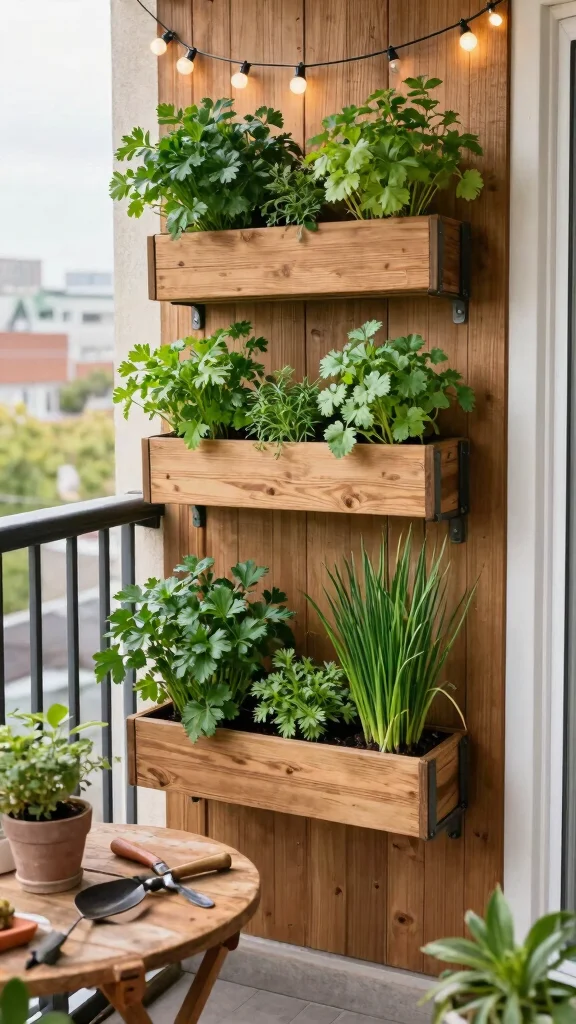
Are you looking to brighten up a dull wall while keeping fresh herbs at your fingertips? A vertical herb garden can be your perfect solution. By using wall-mounted planters or reclaimed wooden pallets, you can create an eye-catching arrangement that not only saves space but also enhances your decor with a modern twist.
Opt for herbs like parsley, chives, and cilantro. They’re not just visually appealing; they also add flavor to your meals. Arranging the pots in a gradient can create a stunning focal point.
Container Gardening Tips: Ensure proper drainage in your planters to avoid soggy roots. Group herbs with similar sunlight and watering needs to promote healthy growth.
Tip: Label each herb clearly to maintain organization and style.
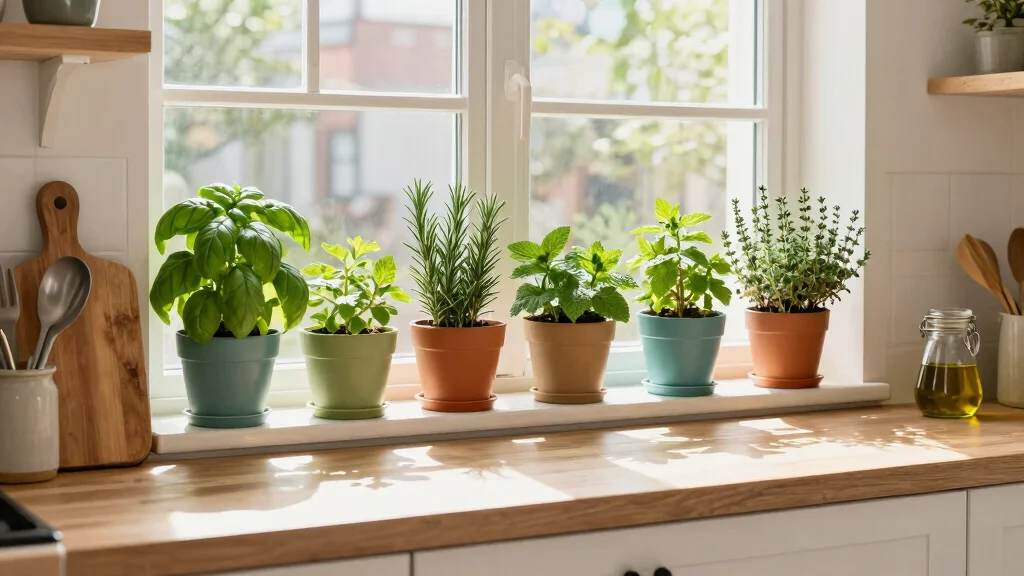
2. Windowsill Herb Garden
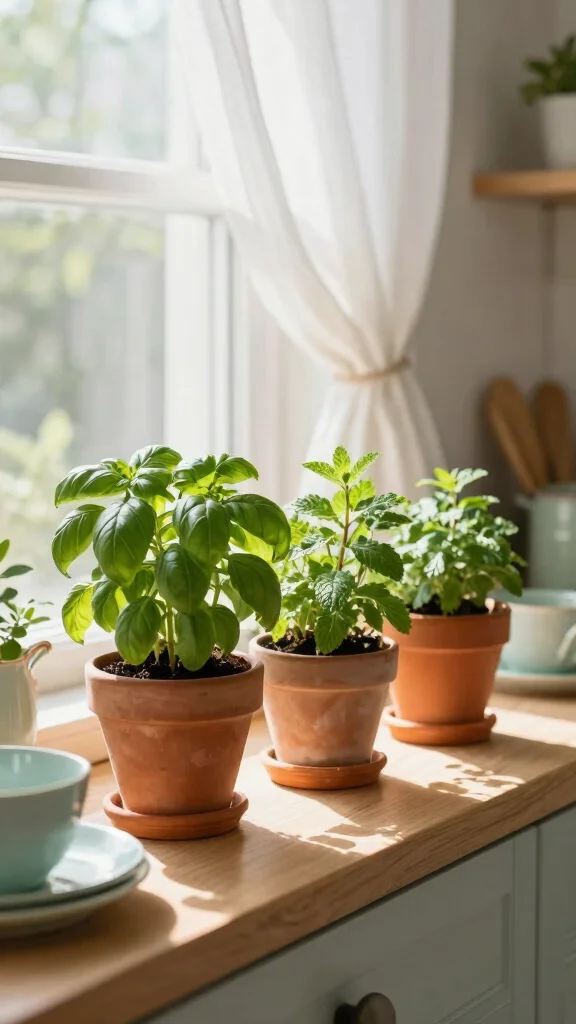
Do you love the idea of fresh herbs but worry about space? Your windowsill is the perfect spot for a mini herb garden! With plenty of sunlight, it provides an accessible way to grab fresh flavors while you cook.
Choose small pots that fit snugly on your sill, featuring favorites like thyme, basil, and mint. Terracotta pots add a rustic charm, while sleek ceramics can modernize your kitchen vibe.
Benefits: Enjoy fresh herbs right at your fingertips while adding life to your kitchen décor.
Tip: Rotate the pots weekly to ensure even sunlight exposure for all your herbs.
3. Hanging Herb Garden
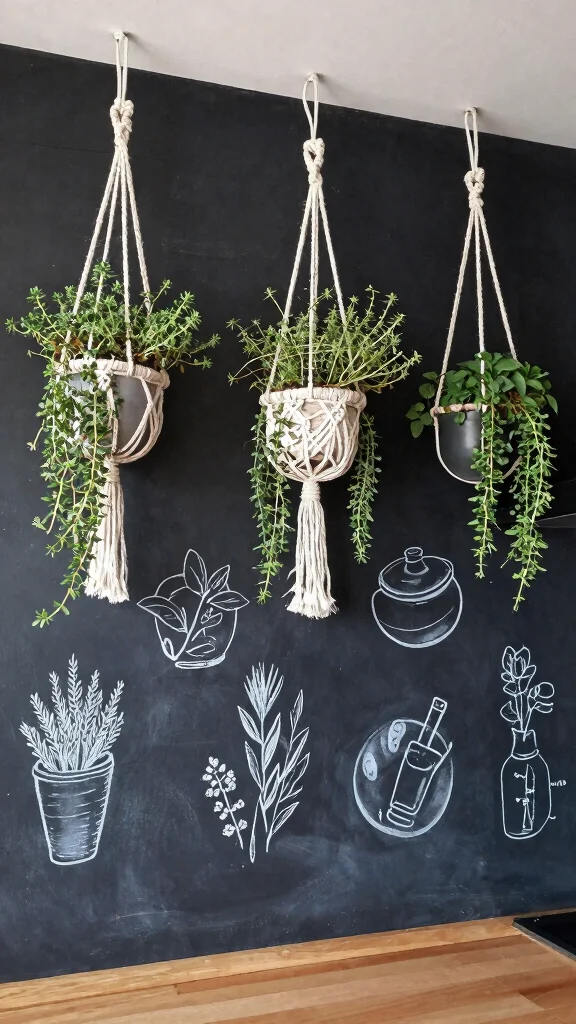
Looking to add a playful element to your kitchen or patio? A hanging herb garden can do just that! Using macramé hangers or simple hooks, you can suspend pots from ceilings or walls, saving space and creating visual interest.
Choose herbs that drape beautifully, like creeping thyme or trailing nasturtiums. They will not only provide fresh flavors but also create an artistic display in your home.
Container Gardening Tips: Select lightweight pots for easy watering and maintenance.
Tip: Mix different pot sizes to add dimension and excitement to your hanging garden.
4. Repurposed Wooden Crate Planter
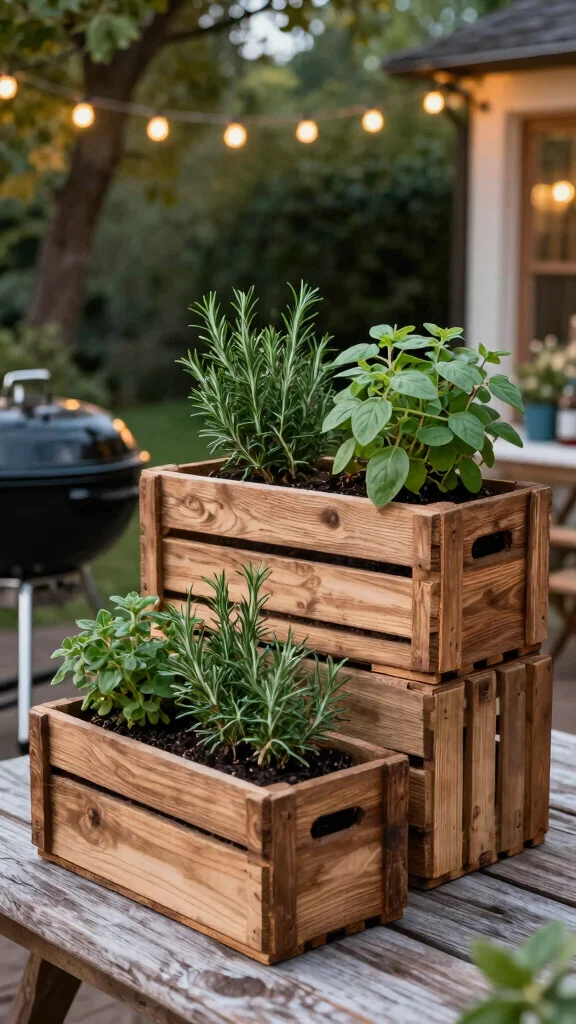
Got old wooden crates lying around? Transform them into rustic herb planters! This eco-friendly approach adds character and provides ample space for multiple herbs. You can stack or arrange them side by side for a charming display.
Consider planting rosemary and oregano, which thrive in well-drained soil and are perfect for cooking.
Container Gardening Tips: Don’t forget to drill holes in the bottom of the crates for drainage to keep your herbs healthy.
Tip: Customize the crates with paint or stain to match your home decor and add a personal touch.
Fact: Upcycling wooden crates into herb planters can cut waste and save space—urban gardeners report up to 40% more usable herb planter space on balconies. Stack them or line them up for a rustic, space-smart display that cooks will love.
5. Multi-Tiered Herb Stand
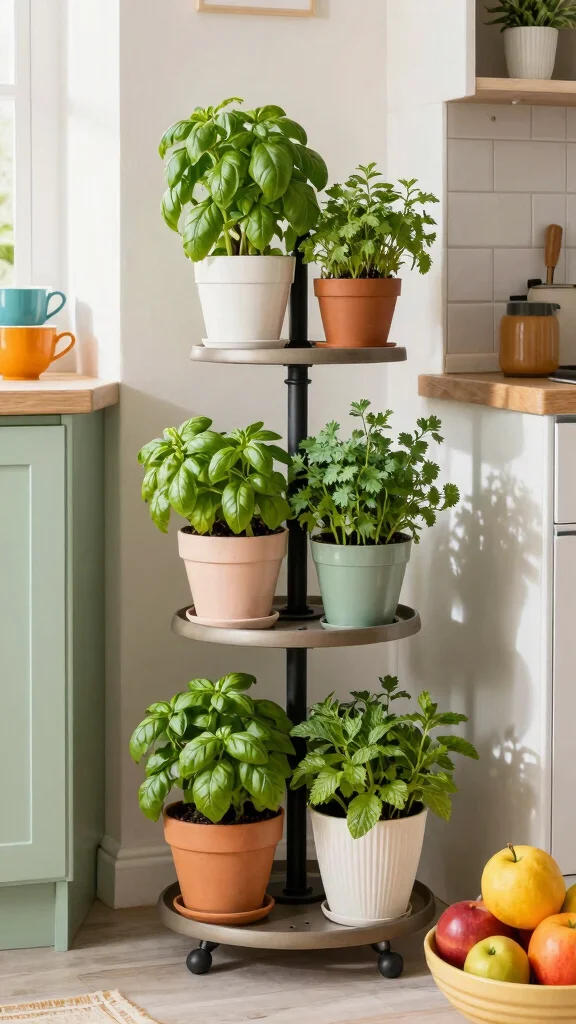
Short on floor space but want a variety of fresh herbs at your fingertips? A multi-tiered herb stand is the answer! It maximizes vertical space, allowing you to cultivate different herbs while keeping them accessible.
Layer pots of basil, mint, and cilantro. This arrangement not only looks beautiful but also ensures that every herb gets the sunlight it needs.
Container Gardening Tips: Choose a sturdy stand to prevent tipping, especially during watering.
Tip: Place it close to the kitchen for easy access while cooking.
Turn tiny spaces into a live herb sampler with multi-tiered herb stands. These herb planter ideas stack basil, mint, and cilantro at eye level, so fresh flavors are always within reach. Pro tip: choose a sturdy stand to prevent tipping when watering.
Key Trade-offs & Our Top Pick
1. Stylish Vertical Herb Garden
– Pros:
– Space-saving design perfect for small areas.
– Beautiful and artistic display of herbs.
– Easy access for watering and harvesting.
– Cons:
– Limited to certain types of herbs that thrive in vertical setups.
– May require regular maintenance to prevent overcrowding.
– Initial setup can be costly depending on materials used.
– Best for: Urban dwellers with limited gardening space who want an eye-catching décor.
2. Windowsill Herb Garden
– Pros:
– Utilizes natural sunlight for optimal growth.
– Can be made with inexpensive containers.
– Easy to maintain and access for daily cooking needs.
– Cons:
– Limited space for multiple plants.
– Seasonal changes may affect sunlight availability.
– Risk of overwatering due to small containers.
– Best for: Those who want fresh herbs in the kitchen without much fuss.
3. Hanging Herb Garden
– Pros:
– Saves floor space while providing a cute display.
– Allows herbs to grow freely and receive sunlight from all angles.
– Can add a touch of greenery to any room or balcony.
– Cons:
– Requires sturdy support for hanging.
– May be harder to reach for watering and harvesting.
– Limited depth can restrict root growth in some plants.
– Best for: Small balconies or kitchens where floor space is at a premium.
4. Multi-Tiered Herb Stand
– Pros:
– Optimizes vertical space for growing multiple herbs.
– Can be placed indoors or outdoors based on your needs.
– Very easy to organize and access different herbs.
– Cons:
– Can be bulky, taking up significant floor space.
– More expensive than simple containers.
– Requires watering all tiers, which can be time-consuming.
– Best for: Gardening enthusiasts who want a dedicated space for various herbs.
5. Mason Jar Herb Planters
– Pros:
– Unique and rustic design for kitchen décor.
– Easy to create and customize for personal style.
– Perfect for small herb varieties like basil and cilantro.
– Cons:
– Limited growing space can restrict herb size.
– Not ideal for larger or deep-rooted plants.
– Requires frequent watering due to quick soil drying.
– Best for: DIY lovers who enjoy crafting their own planters.
Expert Recommendation: Best Overall: Stylish Vertical Herb Garden
The Stylish Vertical Herb Garden is our top pick because it combines aesthetics with functionality. It maximizes limited space while allowing you to grow multiple herbs easily. Plus, its eye-catching design can enhance your home décor. You’ll find that this option offers excellent value for money and can be adapted to fit any urban setting. The versatility means that whether you live in an apartment or have a small patio, you can enjoy fresh herbs right at your fingertips.
Why We Picked This:
While the vertical garden is our favorite, you might prefer other options based on your specific needs. If you have limited space on your windowsill, the Windowsill Herb Garden might be more suitable. For those who appreciate a creative touch, Mason Jar Planters offer a fun DIY project. Each option has its benefits, and you can choose what fits your lifestyle best.
6. Mason Jar Herb Planters
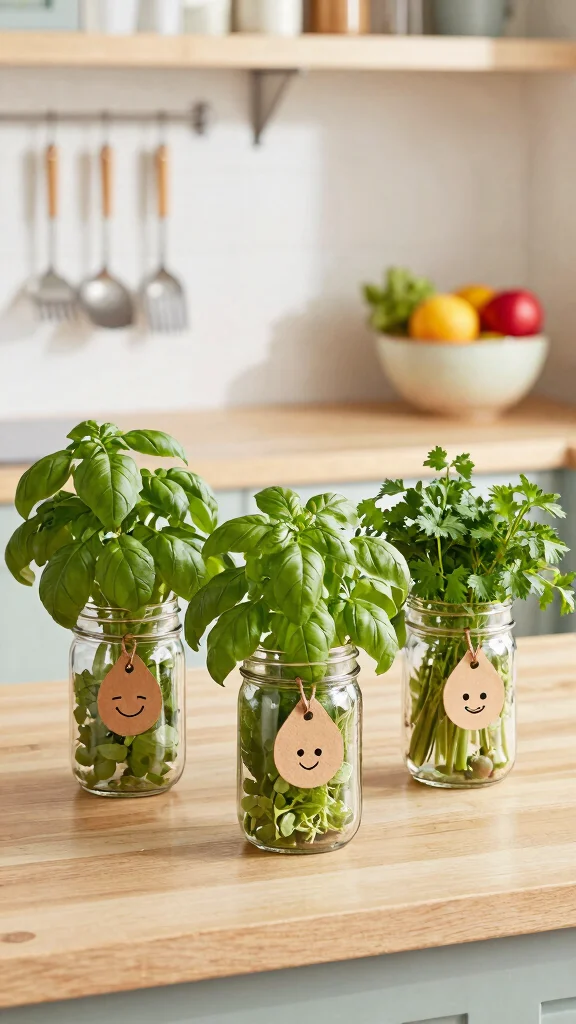
Want a chic and functional way to grow herbs? Mason jars can be your stylish solution! Easy to set up, all you need are jars, soil, and your favorite herb seeds or seedlings.
Basil, dill, and parsley thrive beautifully in these jars, giving your kitchen a rustic vibe that fits perfectly in urban settings.
Container Gardening Tips: Add gravel to the bottom of the jars for drainage, which helps prevent root rot.
Tip: Attach small labels to each jar for easy identification and a fun decorative touch.
7. DIY Herb Ladder
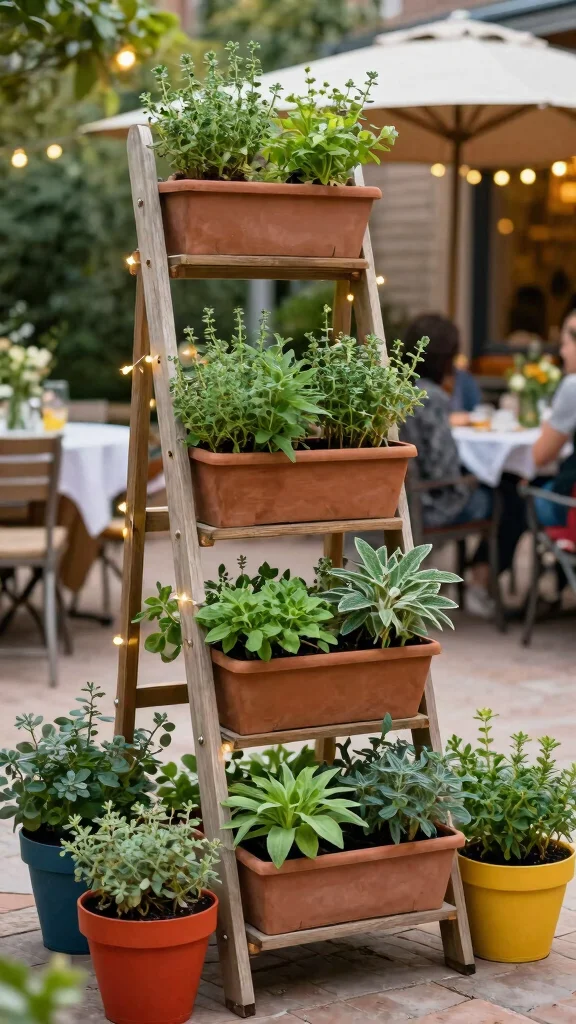
Looking for a creative way to display your herbs? A DIY herb ladder can elevate your gardening game! This unique planter allows you to use vertical space while creating an eye-catching centerpiece for your kitchen or garden.
Attach pots filled with thyme, sage, and mint to a wooden ladder, adding both flavor and beauty to your meals.
Container Gardening Tips: Secure the ladder to avoid tipping over, especially in windy conditions.
Tip: Brighten things up by painting the ladder in fun colors for a joyful addition to your herb garden.
8. Hanging Wall Planters
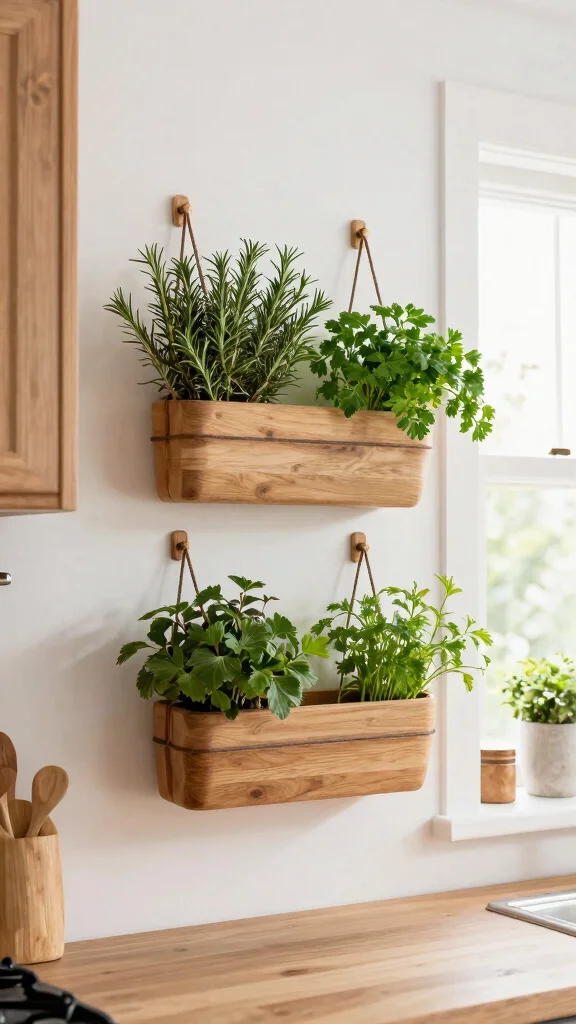
Want to turn a boring wall into a vibrant herb garden? Hanging wall planters are the perfect solution! These vertical arrangements are ideal for small spaces, transforming any wall into a source of fresh ingredients.
Herbs like rosemary, thyme, and parsley thrive in these planters, making them both beautiful and practical.
Container Gardening Tips: Ensure the wall can support the weight of the filled planters for safety.
Tip: Consider self-watering planters to simplify maintenance and keep your herbs hydrated.
9. Herb Garden in a Teacup
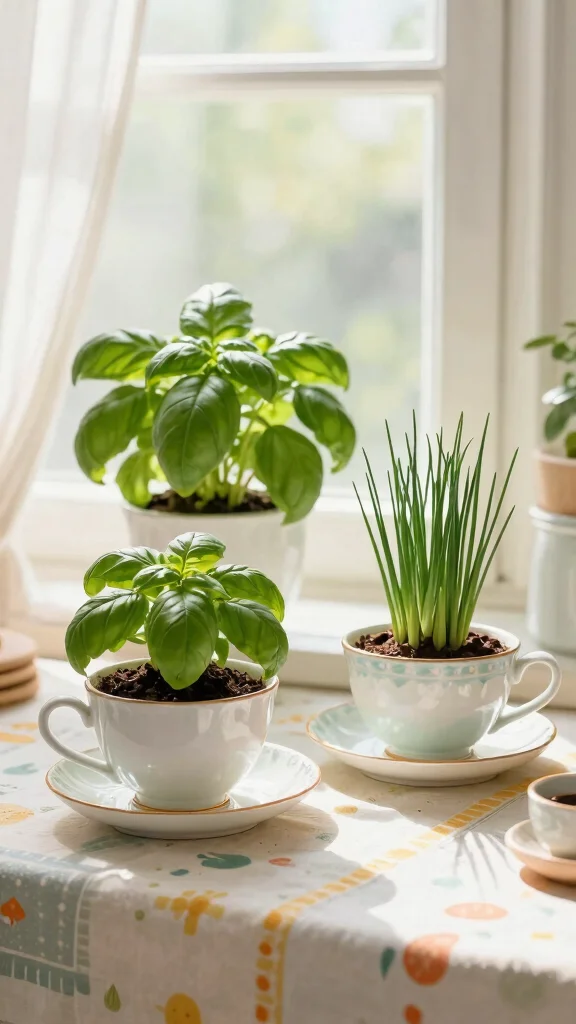
For a quirky and delightful herb planter, why not use teacups? This charming idea lets you repurpose old teacups, adding a vintage flair while keeping your herbs close at hand.
These tiny planters are perfect for windowsills or dining tables, and you can grow basil, chives, and mint effortlessly in them.
Container Gardening Tips: Make sure each teacup has drainage holes to ensure healthy herbs.
Tip: Group several teacups for an eye-catching arrangement, showcasing a variety of herbs.
Fun fact: A row of teacups can host 3 herbs—basil, chives, and mint—on a sunny window, turning a tiny space into a thriving mini garden. Keep drainage holes, group several for impact, and you’ll continuously harvest fresh basil, chives, and mint as part of your herb planter ideas.
10. Trough Herb Planters
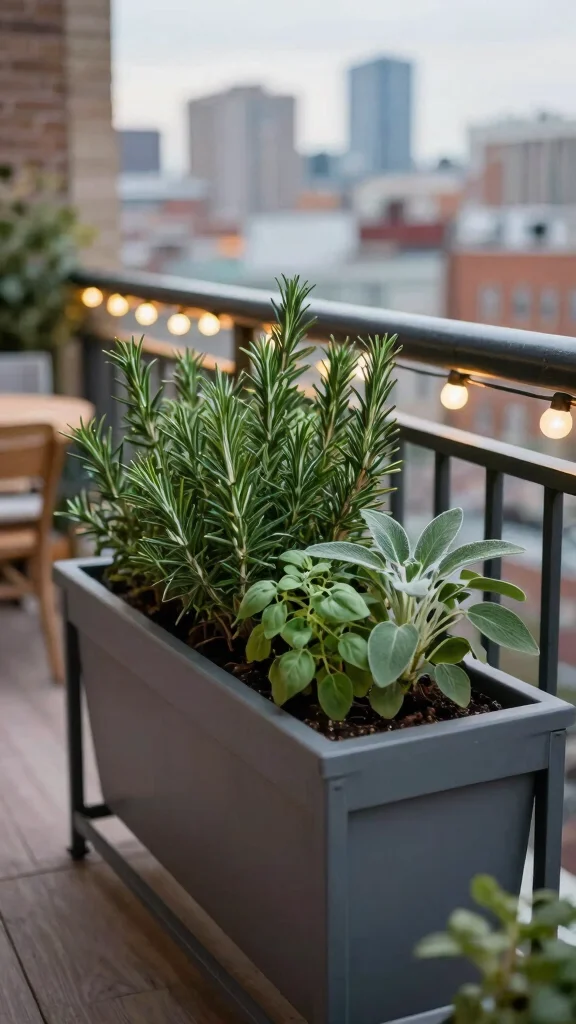
A large trough planter can serve as a stunning centerpiece for your balcony or garden! These long containers make it easy to manage multiple herbs in one spot, providing a substantial growing area.
Opt for herbs like rosemary, oregano, and sage, which do well together and are frequently used in cooking.
Container Gardening Tips: Ensure your trough has proper drainage to keep your herbs happy and healthy.
Tip: Use decorative stones on top of the soil to help retain moisture and keep weeds at bay.
11. Plastic Bottle Herb Planters
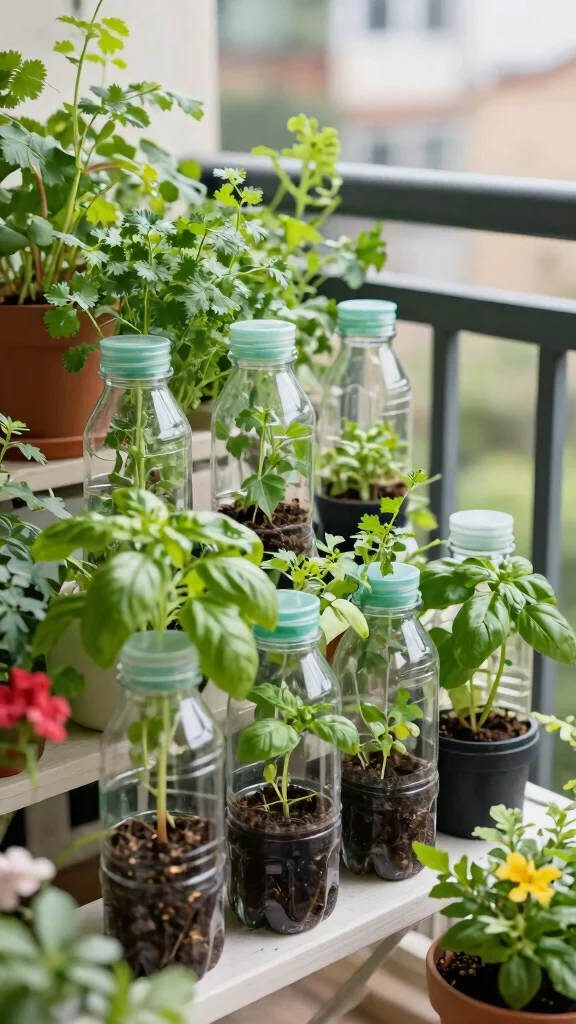
Want an eco-friendly gardening solution? Repurposing plastic bottles as herb planters is a fantastic way to garden creatively in small spaces. Cut the bottles in half, fill them with soil, and plant your favorite herbs like cilantro, basil, and chives.
This method allows you to hang or stack them, effectively maximizing your gardening space.
Container Gardening Tips: Don’t forget to make drainage holes in the bottom of each bottle half to prevent overwatering.
Tip: Customize your bottles by painting them or wrapping them in jute for a rustic look.
12. Floating Shelves with Herbs
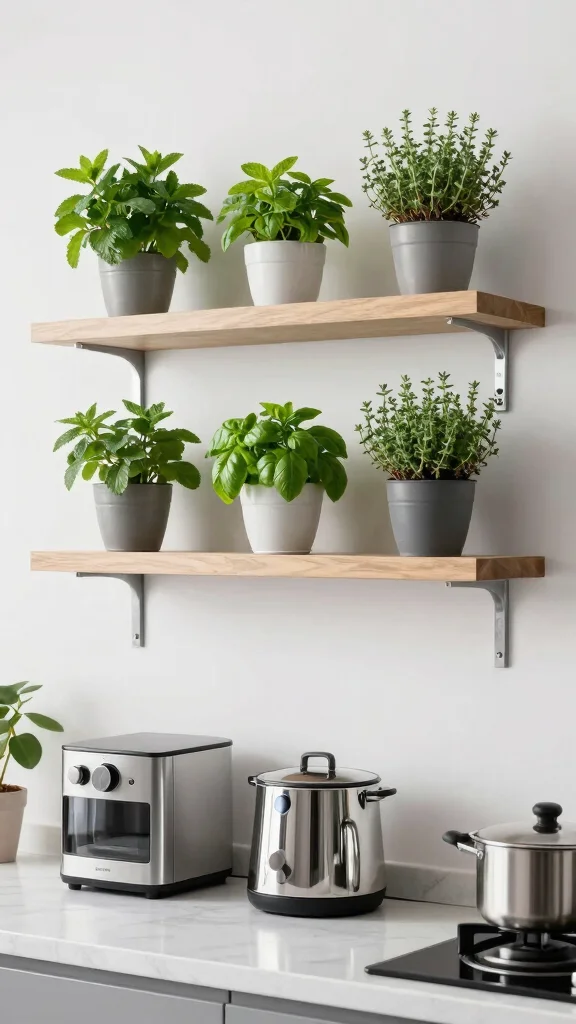
Want to showcase your herbs stylishly? Floating shelves are an excellent way to create a beautiful herb garden in any room! These shelves not only save floor space but also allow you to display your herbs artistically.
Mix and match various pots for an eclectic look, or choose a uniform style for a more cohesive appearance. Popular choices include mint, basil, and thyme.
Container Gardening Tips: Securely mount the shelves to support the weight of the pots for safety.
Tip: Group pots in threes for a visually appealing arrangement.
13. Kitchen Herb Bucket
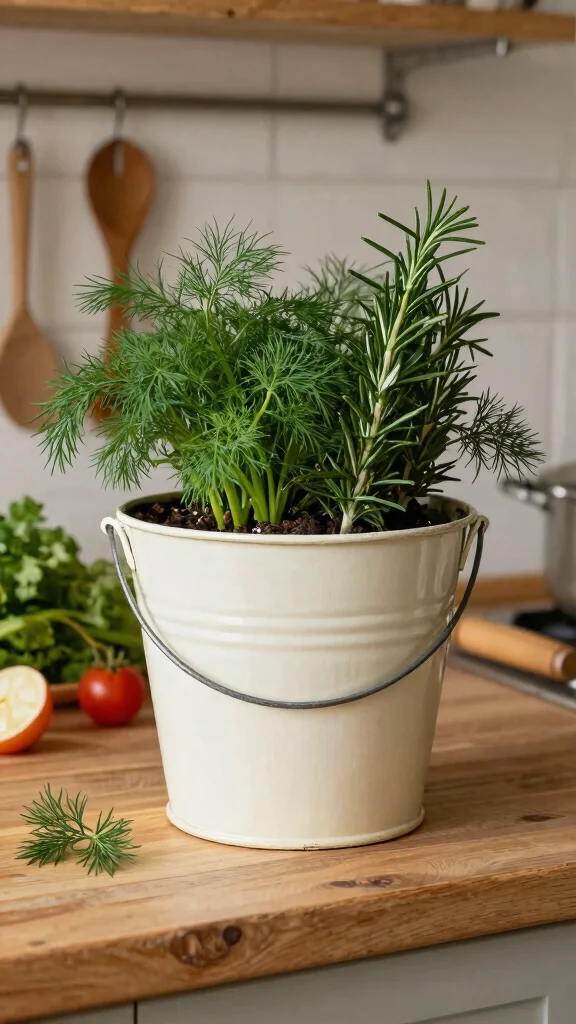
Have an old bucket lying around? Transform it into a charming herb planter with just a bit of creativity! Paint it in bright colors or leave it rustic for that farmhouse feel. This versatile container can sit on a countertop or be hung outdoors.
Plant herbs like dill, rosemary, and parsley, which will thrive beautifully in a bucket garden.
Container Gardening Tips: Ensure good drainage by making holes in the bottom of the bucket.
Tip: Use multiple buckets for a delightful grouping, planting different herbs in each for a vibrant display.
Conclusion
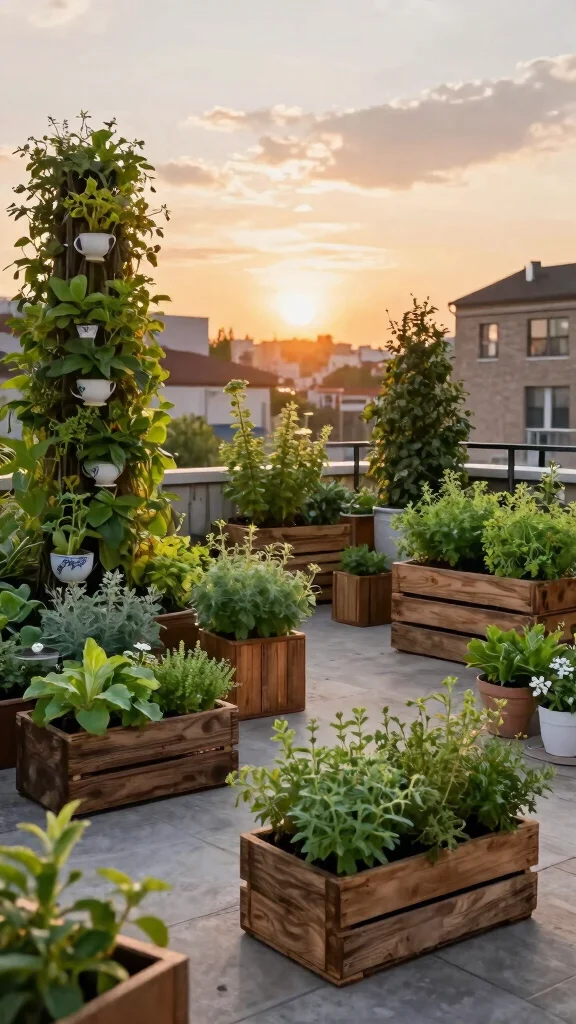
Creating an herb garden in your urban space is entirely possible and can be a rewarding experience. With these 13 herb planter ideas, you can elevate your cooking while enjoying the beauty of fresh greenery right at home.
Explore different styles and find which works best for your kitchen or balcony. Whether you prefer a vertical garden or charming teacups, fresh herbs are just a planter away!
Note: We aim to provide accurate product links, but some may occasionally expire or become unavailable. If this happens, please search directly on Amazon for the product or a suitable alternative.
This post contains Amazon affiliate links, meaning we may earn a small commission if you purchase through our links, at no extra cost to you.
Frequently Asked Questions
What are the simplest herb planter ideas for tiny urban spaces?
Think of herb planter ideas that fit your space: a sunny windowsill with 2–3 compact pots, a railing-mounted planter for herbs, and a vertical herb garden. For indoor setups, try indoor herb planters on a rolling cart or a shallow shelf. Steps: 1) pick a sunny spot with at least 4–6 hours of light, 2) choose containers with drainage, 3) use a high-quality potting mix, 4) water when the top inch dries, 5) harvest regularly to keep plants productive. This setup helps bring fresh herbs at home and makes everyday cooking a breeze.
How can I design an efficient herb garden in a small balcony or kitchen to maximize space?
Designing an efficient herb garden in a small balcony or kitchen starts with a quick plan. Map your sun exposure and choose 2–4 herbs you actually cook with. Go vertical: wall-mounted planters, tiered stands, or a hanging pocket rack save precious floor space. For container gardening tips, use lightweight pots with drainage, place taller plants toward the back, and group basil, oregano, parsley, and thyme where they’re easy to reach. If light is limited, pair sun-loving herbs with compact indoor options in bright spots near windows. This approach keeps fresh herbs at home within arm’s reach.
What are the best tips for maintaining healthy herbs in containers?
Container-grown herbs crave consistent care. Water when the top inch of soil dries, and make sure your pots drain well to prevent root rot. Use a well-draining potting mix and refresh soil seasonally. Feed with a balanced, half-strength fertilizer every 4–6 weeks during peak growing season. Prune regularly to encourage bushy growth and stronger flavors. Keep an eye out for pests like aphids and treat early with a gentle solution. If space allows, consider a self-watering container or drip tray to help with steady moisture. This routine supports a thriving herb garden design in small spaces.
Which herbs are easiest to grow in container planters for urban spaces?
Start with the dependable trio: basil, mint, and parsley. Add thyme, chives, oregano, and cilantro for variety. Mint is vigorous, so keep it in a dedicated pot or with a barrier to prevent spread. Basil loves full sun; cilantro prefers a bit cooler conditions. Parsley is forgiving and tolerates partial sun. For indoor setups, place these near a bright window to maximize growth. These choices align well with container gardening tips and help you enjoy fresh herbs at home year-round.
How can I harvest and replant to keep a steady supply of fresh herbs at home?
Harvest early and often to encourage new growth. Snip leaves from the outside, leaving the inner growth intact, and never remove more than one-third of a plant at once. Pinch back flowering stems to extend harvests and keep plants bushy. To maintain a steady supply, use succession planting: stagger sowing or cuttings in regular intervals and refresh soil or pots as needed. Replant dead or struggling pots with fresh herbs to maintain a lively herb planter ideas lineup and keep fresh herbs at home within reach.
Related Topics
herb planter ideas
urban gardening
small space solutions
indoor herb planters
vertical garden
container gardening tips
fresh herbs at home
DIY herb garden
beginner friendly
easy gardening
herb garden design
sustainable living