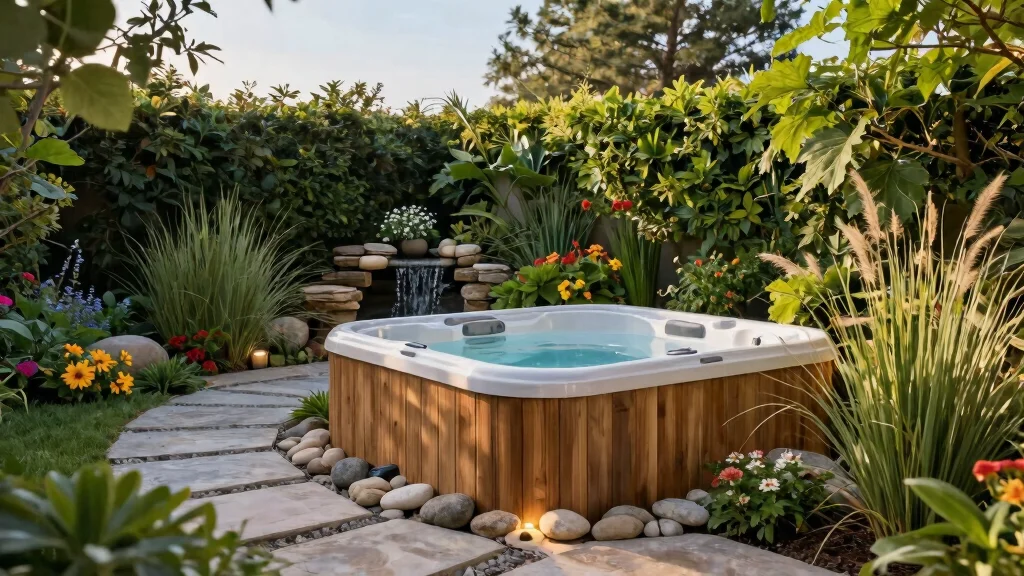
Creating a beautiful outdoor space can be a delightful journey, especially when you can combine relaxation with nature. If you’ve ever dreamt of soaking in a warm hot tub surrounded by lush greenery, vibrant flowers, and soothing water features, you’re not alone. The idea of creating a hot tub garden has been on my mind, and I want to share some inspiration with you. As we dive into these hot tub garden ideas, you’ll see how you can seamlessly blend your soaking space into your own backyard paradise.
This post is perfect for anyone who loves gardening or wants to enhance their outdoor living space. Whether you’re a seasoned gardener or just starting out, these ideas will inspire you to create a relaxing haven right in your own backyard. You’ll find designs that cater to different tastes and preferences, from rustic retreats to modern sanctuaries. Each idea provides a chance to embrace the beauty of nature while enjoying a luxurious soak.
In this post, you’ll discover 12 hot tub garden ideas that will help you achieve a stunning and serene outdoor spa. These concepts focus on eco-friendly designs, incorporating natural elements that harmonize with your landscape. By the end, you’ll have actionable tips and inspiration to transform your backyard into the ultimate relaxation spot.
Key Takeaways
– You’ll find 12 creative hot tub garden ideas that combine relaxation with natural beauty, perfect for any backyard setting.
– Each idea emphasizes eco-friendliness, helping you create a sustainable outdoor spa experience.
– Discover practical tips for integrating water features and greenery around your hot tub to enhance the overall aesthetic.
– Key designs cater to different styles, such as rustic, modern, and tropical, allowing you to choose what resonates with your personal taste.
– Learn how to effectively place your hot tub for optimal relaxation and visual appeal, ensuring it fits naturally within your garden space.
1. Rustic Wooden Retreat
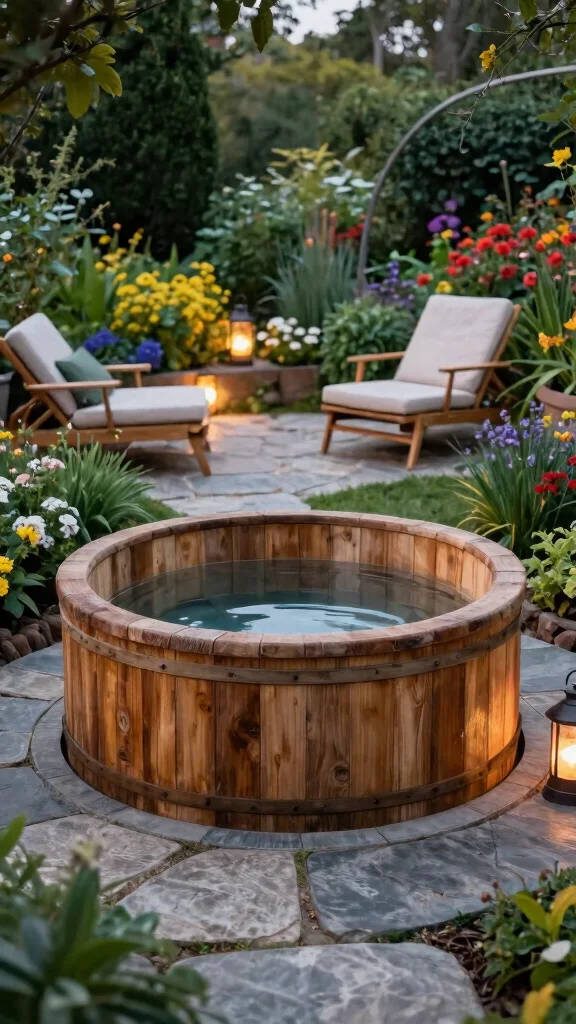
Imagine soaking in a rustic wooden hot tub that seamlessly blends with your garden. Using reclaimed wood not only enhances the charm but also supports sustainability. Pair it with natural stone paths and native plants to cultivate an inviting organic atmosphere.
To elevate your relaxation experience, consider adding a wooden deck extending from the tub for lounging or outdoor dining. This setup can make you feel like you’re in a cozy cabin retreat right in your backyard, where the warmth of the wood complements the lush greenery.
Key features to consider:
– Utilize reclaimed wood for an authentic rustic touch.
– Surround the tub with native plants for easy upkeep.
– Add comfortable lounge chairs made from natural materials.
– Incorporate ambient lighting like lanterns for a cozy evening vibe.
By carefully sealing the wood, you can ensure it withstands the elements, preserving its beauty for years to come.
Did you know reclaimed wood can cut new timber demand by up to 40%? Among eco-friendly hot tub garden ideas, a rustic retreat with reclaimed wood and native plants creates a cozy, low-impact sanctuary.
2. Modern Zen Sanctuary
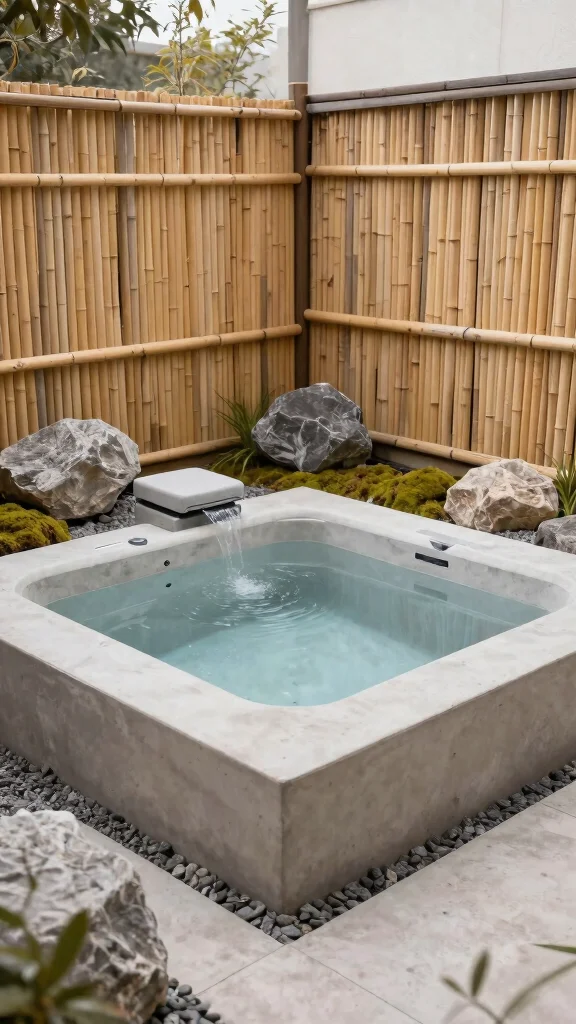
If you lean towards a contemporary aesthetic, a modern Zen-inspired hot tub can enhance a minimalist garden. Choose concrete or glass for a sleek look, complemented by clean lines to foster a sense of tranquility.
Add elements like bamboo fencing and textured stones to promote a calming environment. Mixing smooth pebbles with soft moss creates a peaceful vibe, while a small waterfall can provide soothing sounds, making your space truly serene.
Key features to consider:
– Use minimalist materials that blend with nature.
– Integrate water features like a small waterfall for sound and serenity.
– Opt for low-maintenance plants such as succulents for ease.
Positioning the hot tub for optimal views and sunset scenes will enhance your experience. Keep your lighting subtle to maintain a peaceful atmosphere.
3. Tropical Oasis
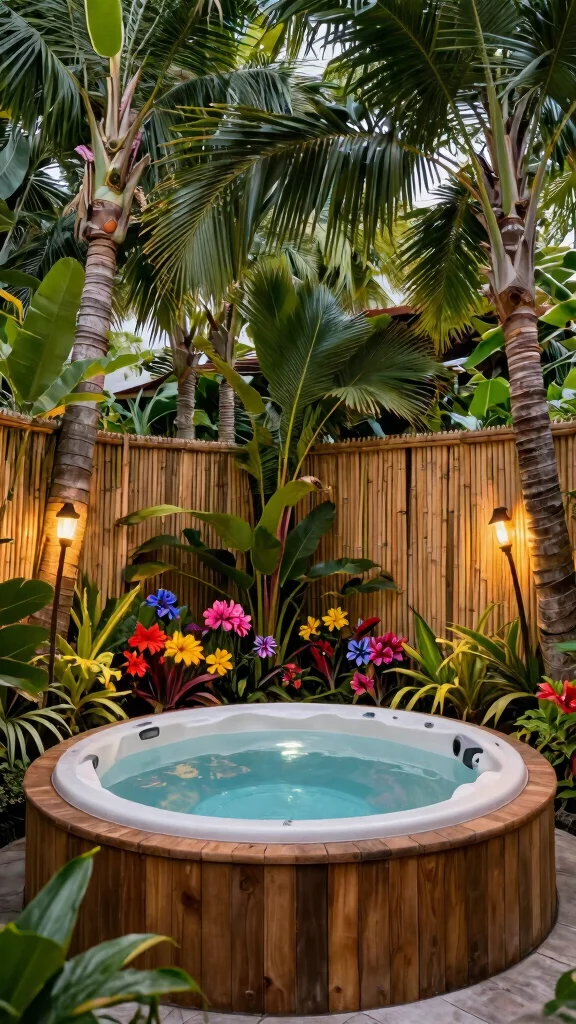
Turn your backyard into a tropical paradise with a hot tub nestled among lush palm trees and vibrant foliage. The abundant greenery offers privacy, inviting you to unwind in your own tranquil escape.
Consider adding tiki torches or lanterns to create an enchanting ambiance for evening relaxation. Using natural materials like bamboo for nearby seating can elevate the tropical feel, providing a feast for the senses with vibrant colors and textures.
Key features to consider:
– Surround the hot tub with tall tropical plants for added privacy.
– Incorporate bamboo structures to enhance the tropical aesthetic.
– Use colorful flowers to brighten the space.
Ensure proper drainage around the tub to maintain plant health, and consider a wooden deck to create a stunning focal point in your garden.
4. Eco-Friendly Water Garden
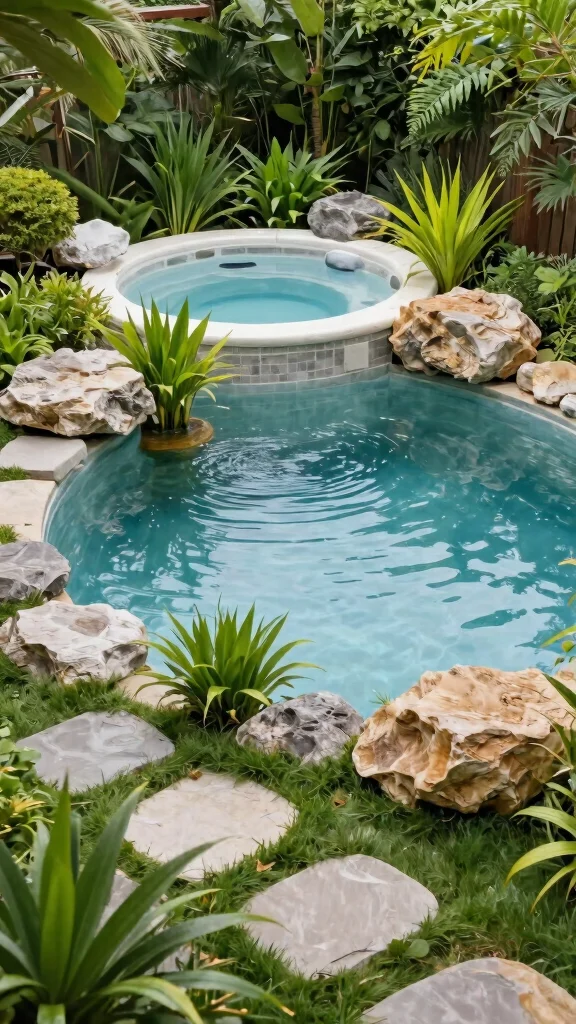
An eco-conscious approach involves positioning your hot tub near a natural swimming pond or water garden. This design not only creates a stunning vista but also supports wildlife and biodiversity.
By placing your hot tub adjacent to the water garden, you ensure an effortless flow between soaking and swimming. Incorporating aquatic plants that filter water enhances the ecosystem, marrying beauty with ecological responsibility.
Key features to consider:
– Design a natural swimming pond with filtering plants.
– Position the tub for optimal views of the water garden.
– Use stepping stones made from natural materials for pathways.
Regular maintenance is essential for water quality; opt for natural cleaning methods to protect the ecosystem.
5. Cliffside Views
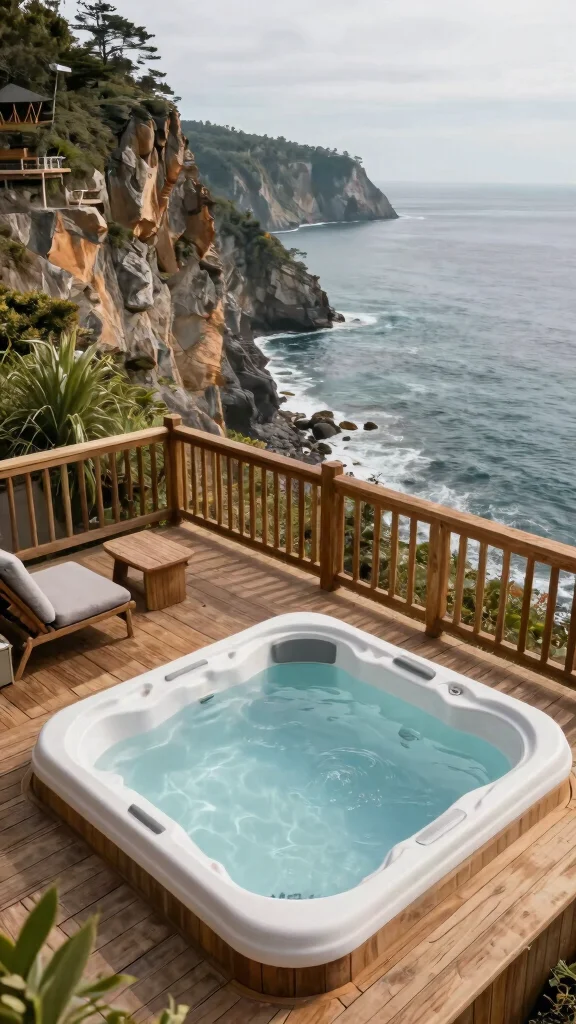
If your home is perched on a hill, positioning the hot tub at an elevated point offers breathtaking views. An elevated hot tub can serve as a stunning centerpiece, enhancing the overall garden design.
Build a wooden deck or platform to provide safe access while maximizing the scenic outlook. Use railings made from natural materials to maintain a cohesive and rustic look, and consider adding seating areas nearby for guests to enjoy the view.
Key features to consider:
– Elevate the hot tub on a raised deck for spectacular views.
– Use natural materials for railings and steps.
– Include a cozy seating area nearby.
Ensure everything is securely constructed, especially in higher locations, and consider wind direction for optimal comfort while soaking.
6. Garden Gazebo Retreat
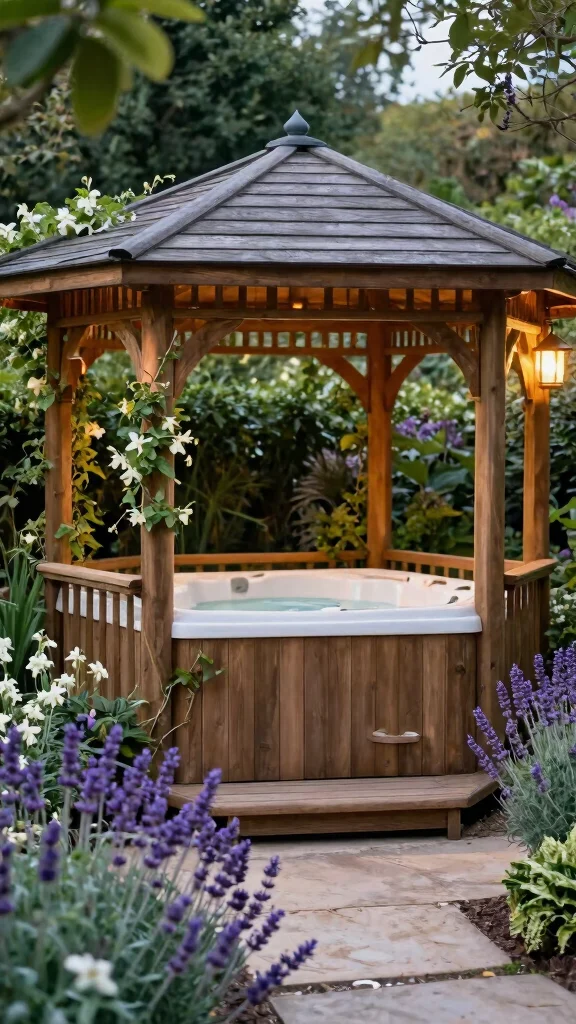
A garden gazebo makes an ideal sanctuary for a hot tub, providing shade and a stylish focal point. Construct the gazebo with natural woods and design elements that mirror your garden’s plants for a harmonious look.
This structure not only adds aesthetic value but also shields you from the elements. Surround the gazebo with fragrant plants like lavender or jasmine to elevate the sensory experience while you unwind.
Key features to consider:
– Build a gazebo around the hot tub for style and protection.
– Incorporate fragrant plants to enhance the atmosphere.
– Add decorative lighting within the gazebo for ambiance.
Ensure adequate ventilation to prevent moisture buildup, and choose colors that blend beautifully with your garden.
Fun fact: a gazebo around your hot tub can cut wind exposure by up to 60% and boost usable season by about a month. Build with natural woods and plant echoes to turn hot tub garden ideas into your cozy, year-round retreat.
7. Fire and Water Fusion
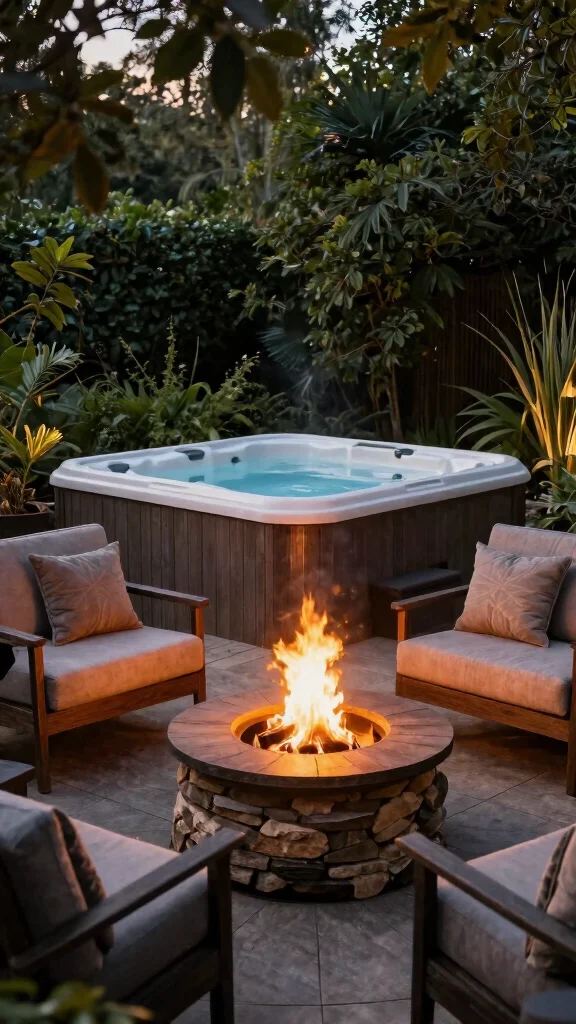
Combining a fire pit with your hot tub creates a dynamic space perfect for entertaining. Place the hot tub near a fire pit, surrounded by inviting seating, allowing for diverse activities and relaxation.
The warmth from the fire enhances your soaking experience, especially on cooler nights. Use natural stone or brick for the fire pit to harmonize with your landscape, making the combination of fire and water inviting for gatherings.
Key features to consider:
– Position the hot tub close to a fire pit for multifunctional use.
– Use natural materials for the fire pit to match the surroundings.
– Create comfortable seating areas around both features.
Ensure safety by maintaining a safe distance between the fire and hot tub, providing ample seating for your guests.
8. Floral Surroundings
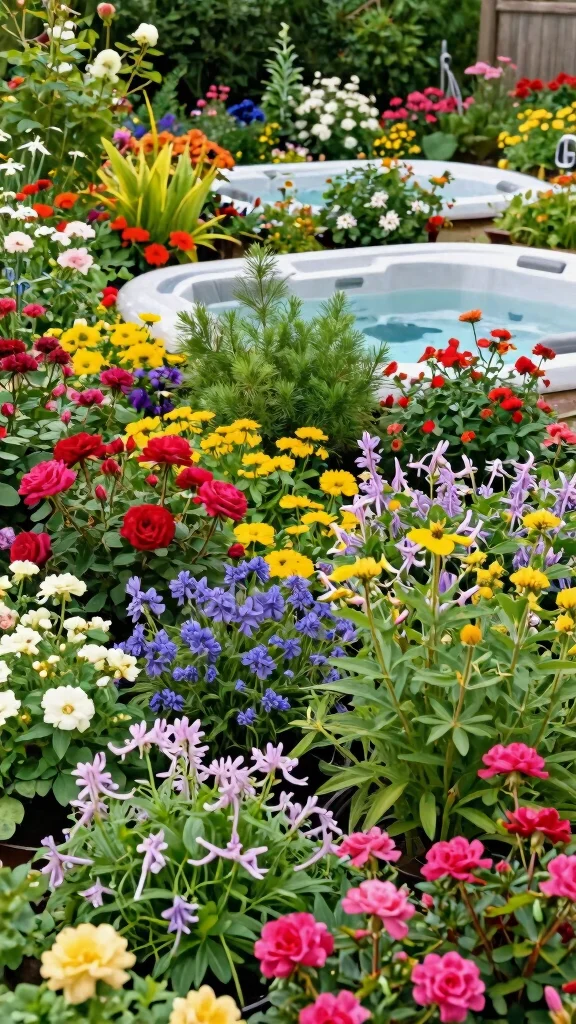
Creating a hot tub garden surrounded by vibrant flowers can transform the area into a lively retreat. By selecting a mix of perennials and annuals, you can craft a colorful display that evolves throughout the seasons.
Position flowering plants at various heights to enhance visual interest. Adding fragrant blooms like roses or honeysuckle nearby will engage your senses while soaking, beautifying your garden and attracting beneficial pollinators.
Key features to consider:
– Use a variety of flowering plants for seasonal appeal.
– Position plants at different heights for a layered effect.
– Incorporate fragrant flowers for a relaxing atmosphere.
Regular maintenance, including deadheading, will keep your blooms vibrant, ensuring continuity in color and fragrance all year round.
Key Trade-offs & Our Top Pick
Rustic Wooden Retreat
– Pros:
– Creates a cozy, natural feel that blends with garden elements.
– Durable materials like cedar or redwood resist weather impacts.
– Cons:
– Requires regular maintenance to prevent rot and wear.
– High initial cost compared to other materials.
– Best for: Homeowners looking for a warm, inviting atmosphere in their garden.
Modern Zen Sanctuary
– Pros:
– Sleek design promotes relaxation and tranquility.
– Easy to clean and maintain with contemporary materials.
– Cons:
– May lack the organic feel some gardeners prefer.
– Can be costly due to high-end finishes and fixtures.
– Best for: Those seeking a minimalist spa experience in a stylish setup.
Tropical Oasis
– Pros:
– Vibrant plants create a lush, colorful environment.
– Ideal for creating a vacation-like atmosphere at home.
– Cons:
– Tropical plants may need special care and climate considerations.
– Higher water and maintenance requirements.
– Best for: Gardeners who love exotic plants and a lively space.
Eco-Friendly Water Garden
– Pros:
– Uses natural filtration and native plants to maintain water quality.
– Attracts wildlife, enhancing garden biodiversity.
– Cons:
– Can take time to establish a balanced ecosystem.
– Initial setup can be complex and labor-intensive.
– Best for: Environmentally conscious homeowners looking to enhance biodiversity.
Natural Stone Spa
– Pros:
– Blends seamlessly with natural surroundings, offering a rustic look.
– Long-lasting and sturdy, requiring little maintenance.
– Cons:
– Higher costs for quality stone materials and installation.
– Heavy and may need structural support.
– Best for: Those wanting a durable, eye-catching feature in their landscape.
Best Overall: Rustic Wooden Retreat
The Rustic Wooden Retreat stands out as the top choice for most people. Its warm aesthetic complements any garden style, making it versatile for various settings. It’s durable, allowing you to enjoy your outdoor spa without frequent replacements. Plus, the natural materials provide a relaxed vibe perfect for backyard relaxation spots.
Why We Picked This:
We acknowledge that your preferences may vary. If you prioritize modern aesthetics, the Modern Zen Sanctuary could be your best option. On the other hand, if you love vibrant colors and exotic plants, the Tropical Oasis might appeal most to you. For eco-conscious readers, the Eco-Friendly Water Garden offers a unique blend of beauty and sustainability. Each option has its benefits, so choose what aligns with your vision!
9. Cozy Nook
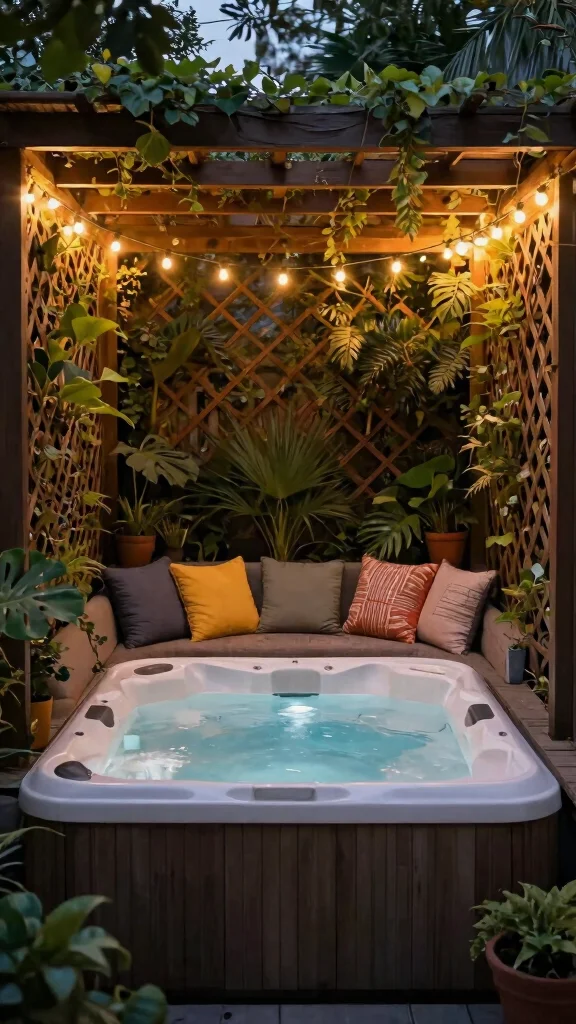
Designing a cozy nook around your hot tub can create an intimate retreat. Use trellises adorned with climbing plants to enhance privacy while incorporating soft seating with cushions and throws for comfort.
This setup encourages a tranquil experience, allowing you to savor the peace of your garden. Adding soft lighting can turn the area into a magical spot for nighttime soaks, emphasizing relaxation and seclusion.
Key features to consider:
– Use trellises and climbing plants for added privacy.
– Incorporate cozy seating with cushions and throws.
– Add string lights or lanterns for evening charm.
Choose plants that enhance the softness of the space without blocking the view, ensuring a balanced atmosphere.
10. Natural Stone Spa
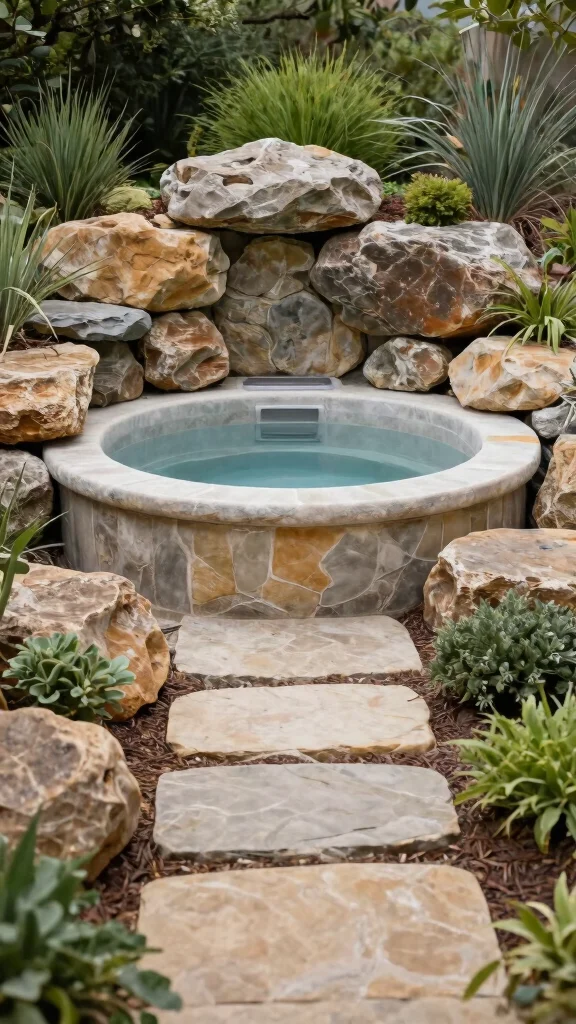
Integrating natural stone into your hot tub design brings earthy elegance to your garden. Select local stone for the hot tub and surrounding landscaping to create a unified look that complements the environment.
Surround the tub with stone pathways and raised areas to add depth and texture. Incorporate plants that thrive in rocky conditions to further enhance this naturalistic aesthetic.
Key features to consider:
– Use local stone for the hot tub and paths.
– Incorporate plants adapted to rocky environments.
– Create an organic look by blending stone with greenery.
Regularly maintain the stone to prevent algae growth, and choose drought-resistant plants to minimize water usage.
11. Nighttime Glow
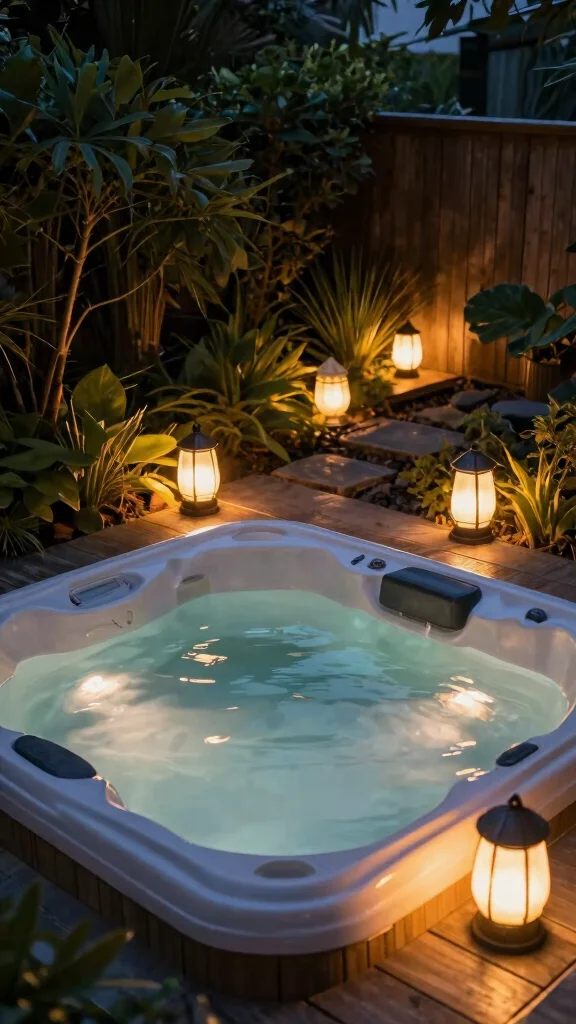
Enhancing your hot tub area with nighttime lighting can turn your garden into a magical retreat. Utilize solar lights, lanterns, or underwater LED lights to establish a soothing ambiance after dark.
Position lights around the tub or within the plantings to highlight the natural beauty of your surroundings, creating a cozy atmosphere perfect for evening relaxation or gatherings. The soft glow adds to the tranquility of your backyard escape.
Key features to consider:
– Incorporate solar or LED lights around the hot tub.
– Use ambient lighting to enhance the garden’s allure.
– Highlight specific plants to create focal points at night.
Plan your lighting design to complement the overall landscape, avoiding overly bright fixtures for a soft, inviting glow.
12. Seasonal Adaptations
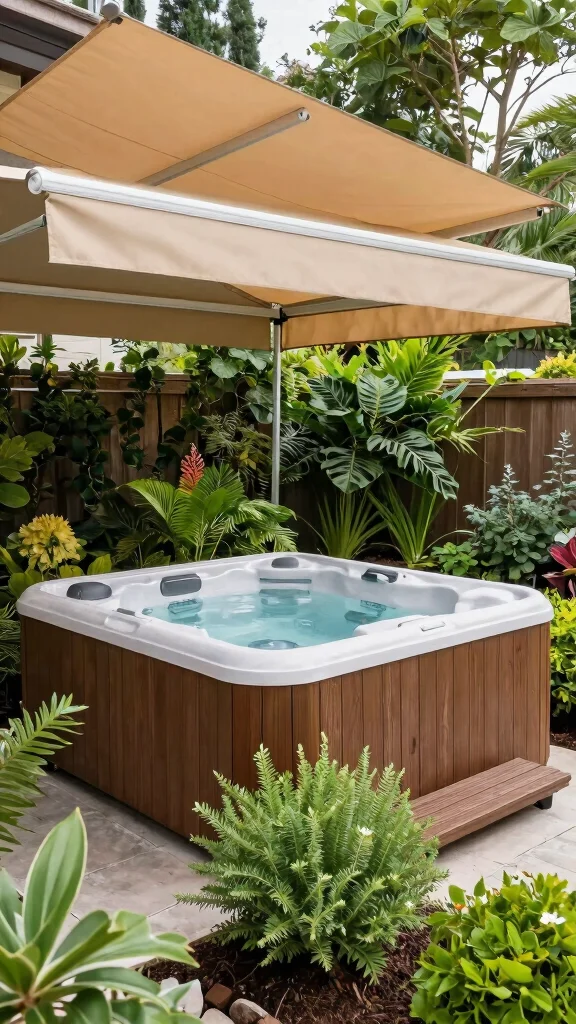
Consider versatile designs that adapt to changing seasons. Incorporate removable covers or structures that provide shade in summer and protection in winter, ensuring your hot tub remains a cherished feature all year round.
Adding retractable awnings or pergolas allows you to enjoy the outdoors regardless of the weather, while seasonal plants can refresh the garden’s appearance, keeping it inviting throughout the year.
Key features to consider:
– Use removable covers or awnings for flexibility.
– Include seasonal plants for varied aesthetics.
– Ensure all materials are weather-resistant for durability.
Regularly assess your hot tub setup to adapt to your lifestyle and seasonal requirements, maintaining a consistent maintenance schedule for beauty and functionality.
“Seasonal adaptations make every hot tub moment effortless and inviting. With removable covers and retractable awnings, you get shade in summer and protection in winter—eco-friendly, turning hot tub garden ideas into a year-round centerpiece.”
Conclusion
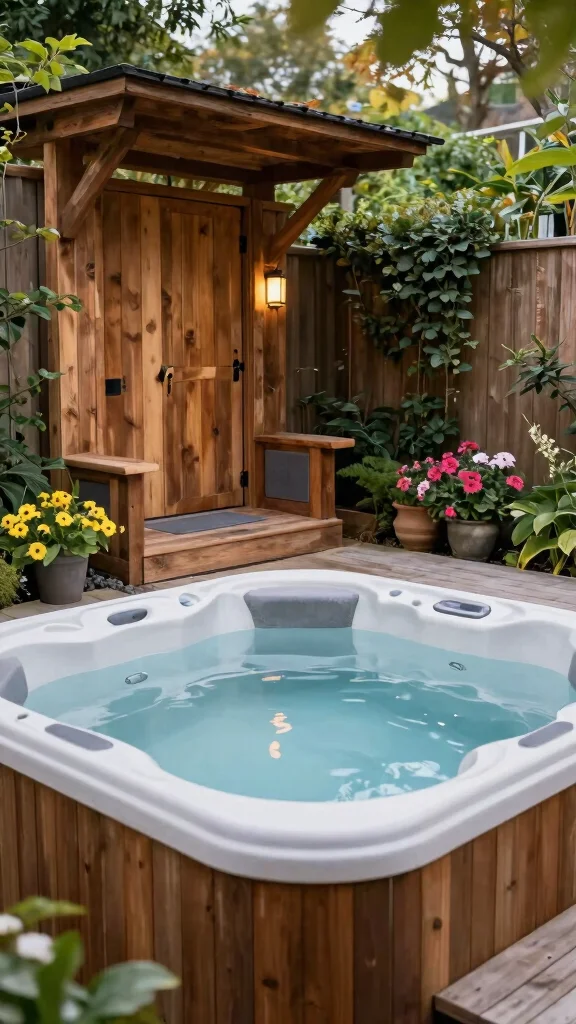
Creating a hot tub garden that blends seamlessly with your landscape can be both a rewarding and enjoyable project. By considering eco-friendly designs that promote relaxation and tranquility, you can transform your outdoor space into a personal sanctuary.
From rustic retreats to modern sanctuaries, there are countless ways to incorporate your hot tub while enhancing the natural beauty of your garden. With thoughtful planning and a touch of creativity, your backyard can become the ultimate relaxation spot.
Explore these ideas and find inspiration that best reflects your style and environmental values.
Note: We aim to provide accurate product links, but some may occasionally expire or become unavailable. If this happens, please search directly on Amazon for the product or a suitable alternative.
This post contains Amazon affiliate links, meaning we may earn a small commission if you purchase through our links, at no extra cost to you.
Frequently Asked Questions
What are some hot tub garden ideas to weave the soak naturally into the surrounding landscape?
Here are practical hot tub garden ideas to weave the soak naturally into your landscape: choose materials that echo your garden (slate, timber, or gravel that matches paths), position the tub to overlook a view and shelter it with native trees or tall grasses for privacy.
Use permeable hardscaping to manage runoff and create smooth transitions between turf, beds, and decking.
Plant a backdrop of evergreen natives for year-round privacy and habitat.
Consider landscaping with water features like a small stream or a bubbling rock fountain to visually connect the spa to nature.
For energy efficiency, pick a well-insulated cover and low-voltage, solar-powered lighting.
These ideas combine outdoor spa designs, garden landscaping tips, and backyard relaxation spots in one cohesive plan.
How can I place a natural hot tub in my garden without it feeling like an afterthought?
To place a natural hot tub in your garden without it feeling like an afterthought: choose a focal sightline—face the tub toward a view, a plant screen, or a water feature.
Build the platform from the same material as your patio or deck for cohesion.
Soften edges with planters and a living screen; use native shrubs that stay green year-round.
Conceal plumbing and electrical components with trellises or a vertical garden.
Ensure drainage away from the tub and keep pathways wide enough for safe access.
Bonus: angle the tub for prevailing breezes and consider a shade structure or pergola to extend usability into cooler evenings. This approach embraces natural hot tub placement and stays aligned with outdoor spa designs and garden landscaping tips.
What landscaping tips help create backyard relaxation spots around an outdoor spa?
To create backyard relaxation spots around an outdoor spa, start with seating and lighting: a weatherproof bench or chairs, plus low-voltage LED strips, solar lanterns, and a warm, inviting glow.
Layer in scent and texture with aromatic herbs and grasses. Use mulch or gravel to define walking zones and keep things neat.
Integrate privacy with evergreen screens or vertical gardens.
Choose drought-tolerant, native plants to reduce maintenance and water use.
Add windbreaks and microclimate shading to make the hot tub comfortable year-round. All of these tips—soft landscaping, privacy, and lighting—are practical garden landscaping tips that support hot tub garden ideas and enhance outdoor spa designs.
Which eco-friendly, budget-friendly outdoor spa designs work best for small spaces?
For small spaces, try compact, eco-friendly designs that still feel integrated: a multi-level deck that doubles as seating, modular planters, and a vertical garden to save ground space.
Use upcycled or local stone and permeable pavers to manage rainwater.
Choose a small, energy-efficient hot tub with good insulation and a safety cover.
Install solar-powered lighting and a rain barrel to feed nearby plants.
Keep maintenance minimal by selecting native, low-water plants and a simple irrigation plan.
These options fit well with outdoor spa designs, landscaping with water features, and budget-conscious hot tub garden ideas.
How can landscaping with water features enhance a hot tub area while staying eco-friendly?
Enhance the area with landscaping with water features that feel natural around the hot tub: a gentle, recirculating waterfall, a micro-pondless fountain, or a shallow stream that runs past the deck.
Use rainwater harvesting to feed the feature and tub garden, reducing potable water use.
Position the feature to mask pump noise with the sound of flowing water and create a cooling, tranquil ambience.
Plant around the edges with moisture-loving natives and use stones to blend the feature into the landscape.
This approach keeps the design eco-friendly while boosting the sense of natural hot tub placement and overall outdoor spa designs.
Related Topics
hot tub garden ideas
outdoor spa designs
eco-friendly landscaping
garden landscaping tips
natural hot tub placement
backyard relaxation spots
landscaping with water features
sustainable garden
DIY hot tub
relaxation areas
modern garden design
beginner friendly