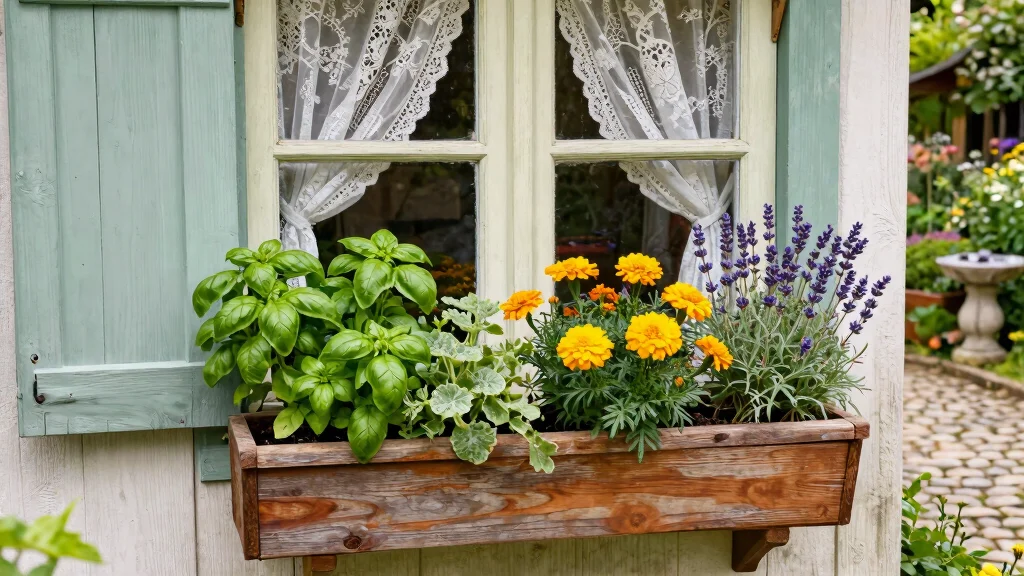
If you’ve ever looked at your home and felt it needed a little more charm, you’re not alone. There’s something magical about the allure of cottage gardens and the warmth they bring. They remind us of simpler times, with blooming flowers, fragrant herbs, and a cozy touch, making any space feel inviting. That’s why I put together this post about window planter boxes. They’re an easy way to boost your curb appeal and transform your home’s look without spending a fortune or taking up too much time.
If you’re someone who loves gardening but struggles with space, these ideas are perfect for you. Whether you have a small apartment or a suburban home, window planter boxes can be the answer to your green dreams. You’ll find creative, DIY-friendly tips that cater to all skill levels. From culinary herbs to colorful flowers, there’s something here to spark your imagination and add a splash of beauty to your windowsills.
In this post, I’ve compiled 13 unique window planter box ideas that will elevate your outdoor decor and help you embrace container gardening. You’ll get inspired by options that are not only charming but also practical. So, roll up your sleeves, grab some soil, and let’s dive into how you can create a cottage-worthy garden in minutes!
Key Takeaways
– Discover 13 creative window planter box ideas that boost your home’s curb appeal without breaking the bank.
– Explore various styles, from herb gardens to colorful flower displays, perfect for small spaces.
– Learn DIY tips that make planting quick and easy, ensuring you spend less time in the garden and more time enjoying it.
– Find practical advice on how to maintain your planter boxes and keep them thriving season after season.
– Get inspired to mix and match plants, creating a unique look that reflects your personal style and enhances your outdoor decor.
1. Herb Haven: A Culinary Delight
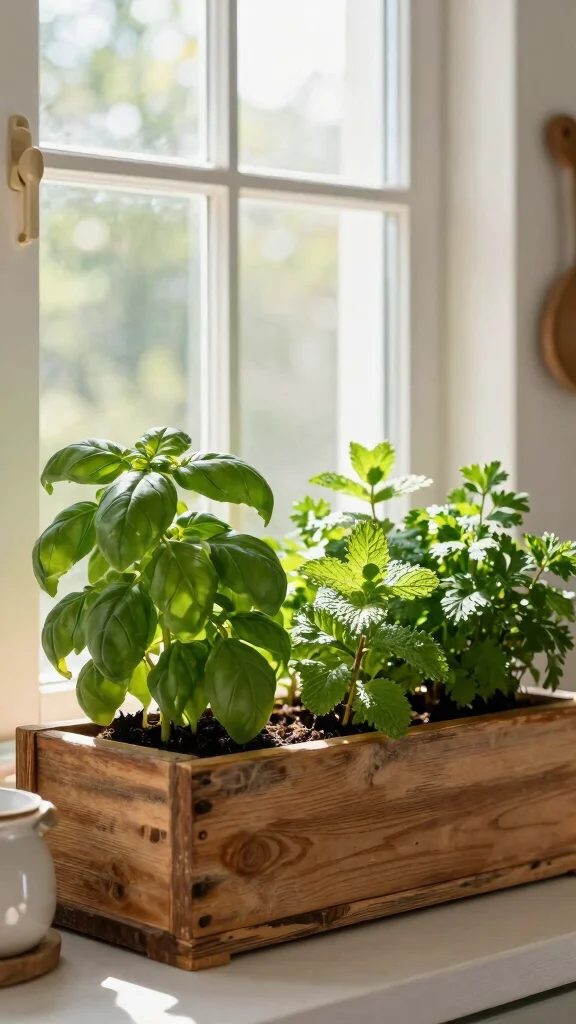
Have you ever thought about transforming your window sill into a lush herb paradise? Imagine reaching for fresh basil, rosemary, or thyme right from your kitchen. Not only do these herbs bring life to your space, but they also provide vibrant flavors for your dishes! A tiered window planter can create a gorgeous vertical garden effect, perfect for maximizing limited space while adding a splash of greenery to your home.
Ingredients:
– 1 window planter with drainage
– Potting mix (moisture-retentive yet well-draining)
– 2-3 types of herbs (like basil, rosemary, and thyme)
– Optional: balanced fertilizer
Instructions:
1. Choose a window box that fits your window dimensions and has drainage holes.
2. Fill the box with the potting mix, leaving some space at the top.
3. Plant your chosen herbs, ensuring they have enough room to grow.
4. Water thoroughly and place your planter in a sunny spot.
5. Monitor sunlight and water regularly, adding fertilizer as needed.
FAQs:
– Can I plant herbs in the same box? Yes, just ensure they have similar sunlight and water needs.
– Can I grow them indoors? Absolutely! Just place them near a window with plenty of sunlight.
2. Flower Power: Cottage Charm
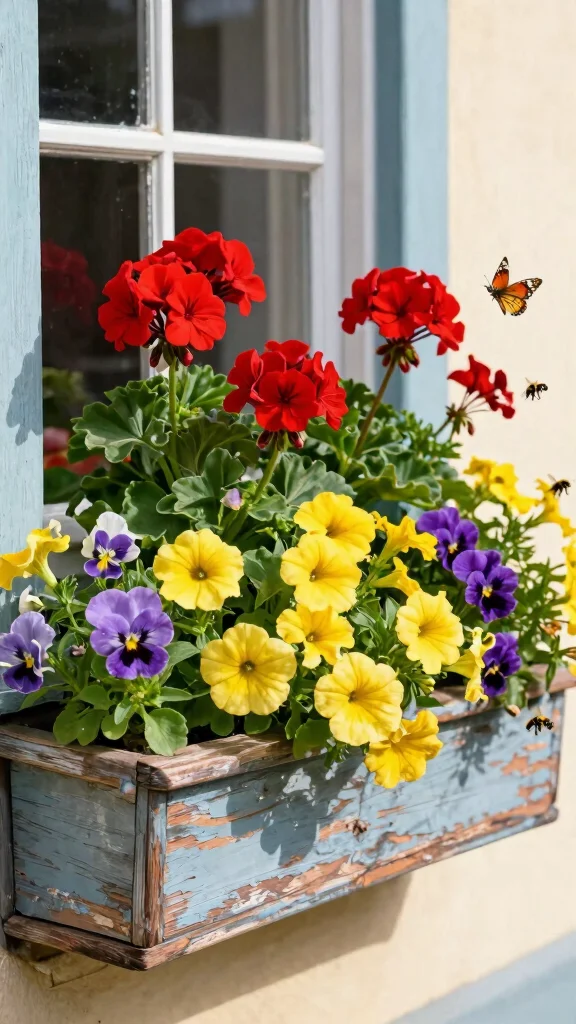
Are you dreaming of a flower-filled window that radiates charm and warmth? Creating a colorful flower box can instantly uplift your home’s exterior. By incorporating cheerful blooms like geraniums, petunias, and pansies, you’ll not only catch the eye of passersby but also invite butterflies and bees into your garden. Layering taller flowers at the back and trailing ones at the front creates a lush, vibrant effect that’s truly enchanting!
Ingredients:
– 1 window planter
– Potting soil suitable for flowers
– A selection of colorful flowers (geraniums, petunias, pansies)
– Optional: mulch for moisture retention
Instructions:
1. Choose a planter that suits your window size.
2. Fill with potting soil, leaving space for plants.
3. Arrange your flowers, placing taller ones at the back.
4. Plant them securely and water well.
5. Keep an eye on their hydration, especially in hot weather.
FAQs:
– Can I mix different flower types? Yes, just ensure they have similar light and water needs.
– Can I use seeds instead of plants? Absolutely! Start seeds indoors and transplant them when ready.
Turn your window planter boxes into a cottage-worthy burst of color with geraniums, petunias, and pansies. Layer taller blooms at the back and trailing ones at the front to lure butterflies and bees and boost curb appeal. A quick, minutes-to-plant swap that looks timeless.
3. Succulent Splendor: Low-Maintenance Beauty
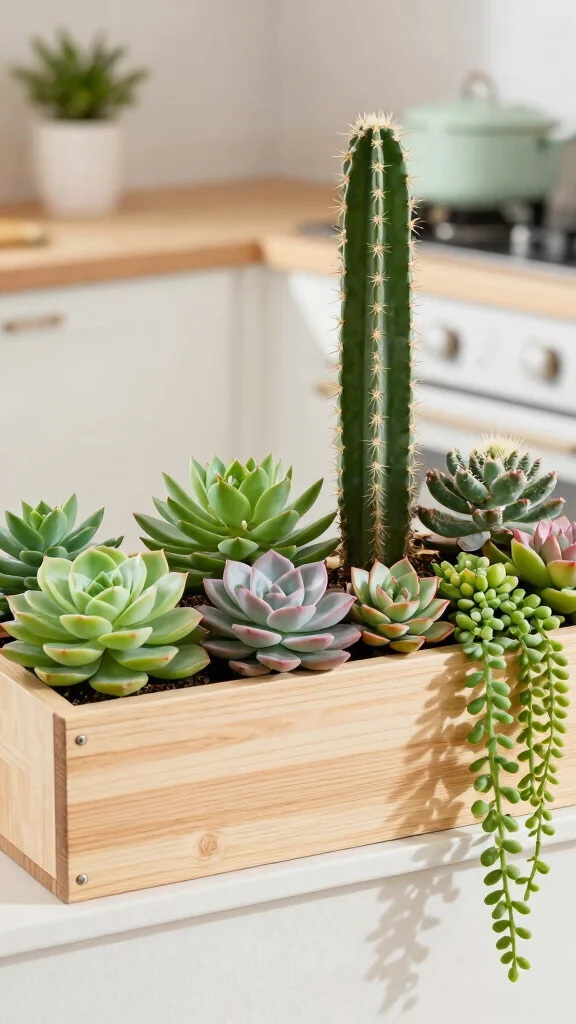
Do you wish for a garden that requires minimal upkeep? Succulents are your perfect solution! These resilient plants thrive in small spaces and boast unique shapes and colors, adding a modern flair to your cottage aesthetic. Creating a succulent planter box is simple and rewarding, making it ideal for both novice and seasoned gardeners alike.
Ingredients:
– 1 window planter with drainage
– Cactus soil mix for optimal drainage
– A variety of succulents (rosette types and trailing varieties)
Instructions:
1. Choose a planter that allows for drainage.
2. Fill with cactus soil mix to prevent rot.
3. Arrange your succulents, mixing shapes and colors.
4. Water sparingly and place in bright sunlight.
5. Monitor soil moisture—only water when dry to the touch.
FAQs:
– Can I use regular soil? No, succulents need well-draining soil to thrive.
– Can I decorate with stones? Yes! Adding decorative stones can enhance the look.
4. Edible Flowers: A Tasty Twist
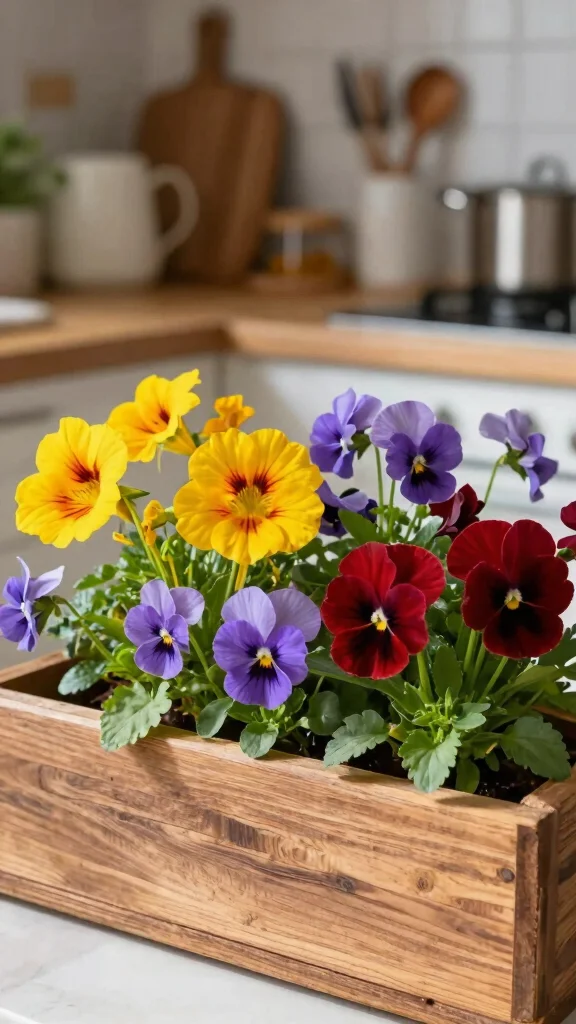
Are you ready to impress with beautiful and edible flowers right from your window? Flowers like nasturtiums, violets, and pansies not only beautify your space but also elevate your culinary creations. Imagine adding a pop of color to salads and desserts straight from your own garden! Designing an edible flower box brings both beauty and practicality together.
Ingredients:
– 1 decorative window box
– Edible flower seeds or plants (nasturtiums, violets, pansies)
– Potting mix with good drainage
– Optional: small decorative stones for aesthetics
Instructions:
1. Choose a decorative box that provides drainage.
2. Fill with potting mix, leaving space for planting.
3. Sow your edible flower seeds or plant seedlings.
4. Water lightly and place in a sunny location.
5. Harvest flowers in the morning for the best flavor.
FAQs:
– Are all flowers safe to eat? No, ensure you choose edible varieties.
– Can I use them for baking? Absolutely! They add a lovely touch to cakes and desserts.
5. Rustic Vintage: Reclaimed Planter Boxes
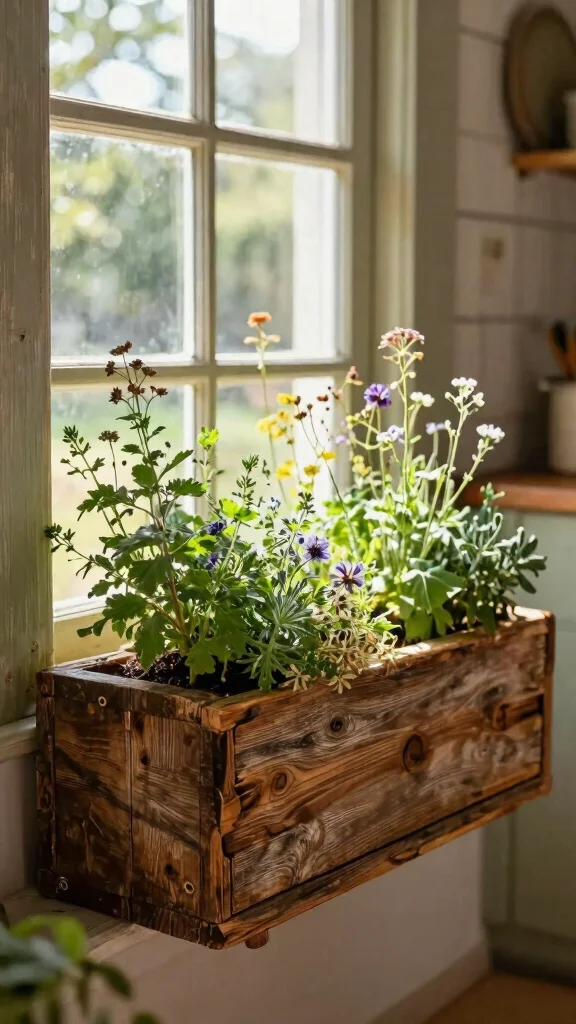
Do you love the idea of adding character to your garden with vintage charm? Using reclaimed wood for your window planter boxes is not only eco-friendly but also tells a unique story. This sturdy option can withstand the elements while adding warmth and rustic appeal to your home. Crafting your own reclaimed planter is a rewarding project that enhances your garden’s personality!
Ingredients:
– Reclaimed wood (from pallets or old furniture)
– Wood preservative (natural)
– Potting soil
– A variety of herbs or flowers
Instructions:
1. Source reclaimed wood and cut it to your desired size.
2. Sand it down to avoid splinters, then apply wood preservative.
3. Fill the planter with potting soil.
4. Plant a mix of herbs and flowers for added beauty.
5. Place it in a sunny spot and water as needed.
FAQs:
– Can I paint the reclaimed wood? Yes, feel free to add a personal touch with paint!
– How should I maintain it? Regularly check for any damage and reapply preservative as needed.
Did you know reclaimed wood can cut new lumber waste by up to 60%? A weekend DIY window planter boxes project made from salvaged pallets costs under $25 and adds instant rustic charm to any cottage kerb.
6. Vertical Herb Garden: Optimize Space
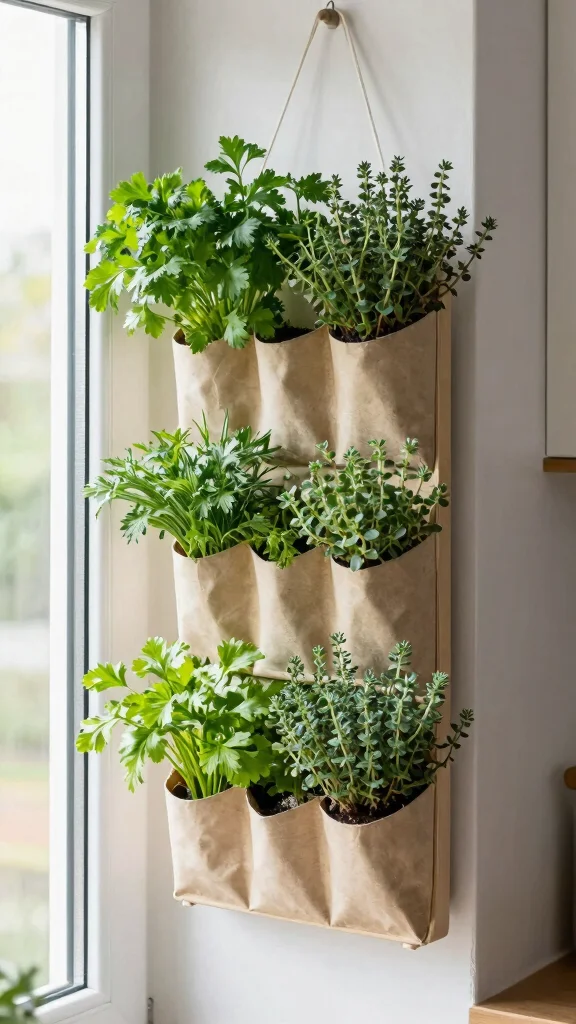
Are you struggling with limited space but want to grow your own herbs? A vertical herb garden is the perfect solution! These planters maximize your window area while allowing you to cultivate a variety of herbs. With pockets for multiple plants, you can enjoy a lush garden even in small spaces. It’s a fun and practical option for herb enthusiasts!
Ingredients:
– Vertical planter with pockets
– Compact herb plants (parsley, chives, thyme)
– Potting mix suitable for herbs
Instructions:
1. Select a vertical planter designed for herbs.
2. Fill each pocket with potting mix.
3. Plant compact herbs in their respective pockets.
4. Water well, ensuring the soil is moist but not soggy.
5. Place near a sunny window, ideally south-facing.
FAQs:
– Can I use any herbs? Yes, choose herbs that thrive in confined spaces.
– How often should I water? Check the soil regularly and water when it feels dry.
7. Color-Blocked Planters: A Bold Statement
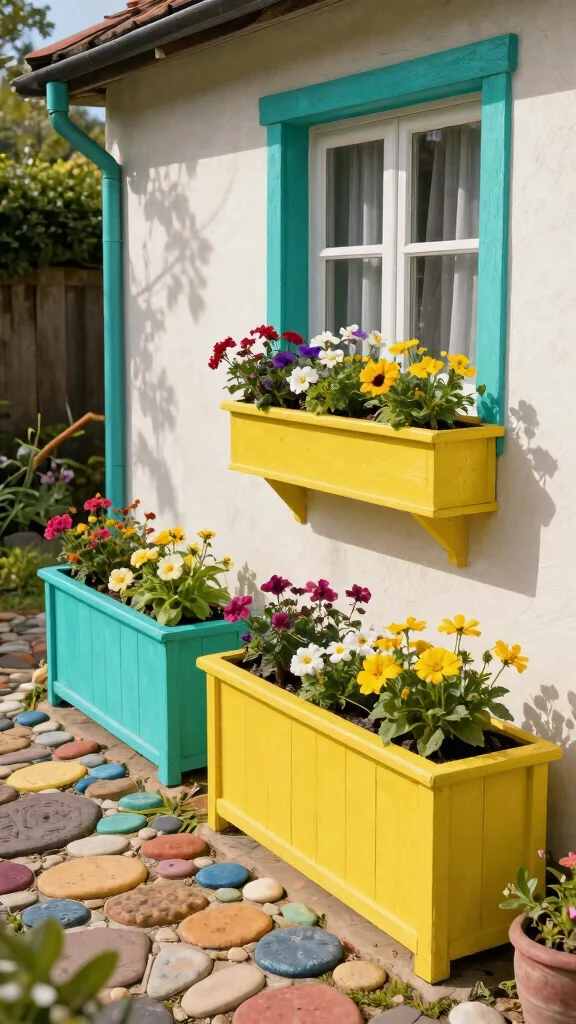
Feeling creative and want to make a bold statement with your window planters? Color-blocked planters are a fantastic way to showcase your personality! By painting your planters in contrasting colors that complement your home’s exterior, you can create a vibrant and eye-catching display. It’s a fun DIY project that adds flair to your garden!
Ingredients:
– Wooden or plastic planter boxes
– Outdoor paint in bold colors
– Paintbrushes and sandpaper
– Flowers that match your color scheme
Instructions:
1. Sand your planters to prepare the surface for painting.
2. Choose your colors and paint the planters accordingly.
3. Allow the paint to dry completely.
4. Fill with potting soil and plant colorful flowers.
5. Arrange your planters for maximum visual impact.
FAQs:
– Can I use any type of paint? Yes, just ensure it’s outdoor paint for durability.
– How do I maintain the colors? Touch up paint as needed to keep them fresh.
How To Choose the Right Window Planter Boxes
Selecting the perfect window planter boxes can truly elevate your home’s curb appeal. With so many styles, materials, and sizes available, it’s essential to consider a few key factors. Here’s how to make the best choice for your garden.
1. Size Matters
Start by measuring your window space. A planter box that’s too large can overwhelm the area, while one that’s too small may look lost. Ideally, your planter should be at least half the width of your window for a balanced look. For example, if your window is 40 inches wide, aim for a planter that is 20 inches or wider.
2. Material Selection
Planter boxes come in various materials like wood, plastic, metal, and ceramic. Each material has pros and cons. Wooden boxes bring a rustic charm but may require more upkeep. Plastic is lightweight and weather-resistant, making it a practical choice. Metal can provide a modern touch but can heat up quickly in the sun. Choose a material that complements your home’s style and fits your gardening needs.
3. Drainage Features
Proper drainage is crucial for the health of your plants. Look for planter boxes with drainage holes at the bottom. If they don’t come with holes, consider drilling some yourself. Good drainage prevents waterlogging, which can harm roots and lead to mildew. If you’re unsure, you can always add a layer of gravel at the bottom of your planter to assist with drainage.
4. Style and Aesthetic
Your window planter should enhance your home’s overall décor. If you have a cottage-style home, consider traditional wooden planters with a distressed finish. For a modern vibe, sleek metal or colorful resin boxes can add a pop of interest. Think about how the planter will blend with your existing outdoor decor and flower choices.
5. Plant Compatibility
Not all plants thrive in the same conditions. Assess the amount of sunlight your window receives. If it’s a sunny spot, go for heat-tolerant plants like succulents or herbs. For shadier areas, consider ferns or shade-loving flowers. Decide what plants you want to grow, and choose planter boxes that can accommodate their growth needs.
6. Budget Considerations
Window planter boxes come in a range of prices. Set a budget before you start shopping to avoid overspending. Remember, you can find great options at local garden centers or even DIY some using reclaimed materials. High-end options may offer better durability, but there are plenty of affordable choices that don’t compromise on style.
Pro Tip: If you’re unsure about which plants to grow, herbs are an excellent option for beginners. They provide both beauty and utility, and planting them in your window planter boxes can turn your kitchen into a fresh herb haven. Use herbs like basil, rosemary, or parsley for an aromatic touch!
By considering these factors when choosing window planter boxes, you’ll be well on your way to creating an inviting outdoor space that enhances your home’s charm. Happy gardening!
8. Box Planters with Trellises: Climbing Beauties
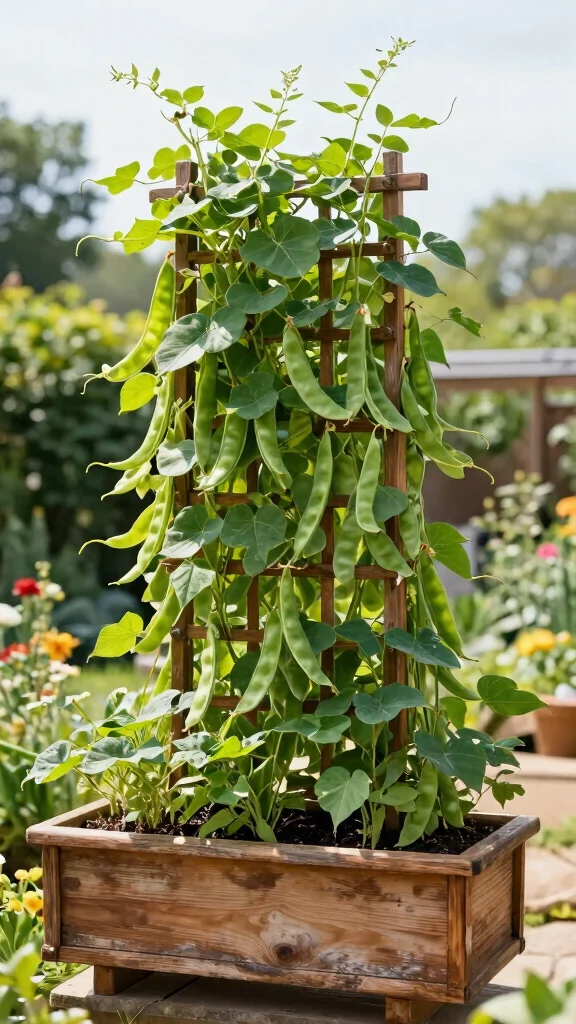
Are you looking to add depth and vertical beauty to your window space? Box planters with trellises allow climbing plants to thrive while creating stunning green walls. This setup not only looks enchanting but also maximizes your growing potential. It’s a wonderful way to incorporate more greenery into your home!
Ingredients:
– Box planter with a trellis
– Climbing plants (like peas, cucumbers, or flowering vines)
– Potting mix
Instructions:
1. Select a box planter that includes a trellis.
2. Fill the planter with potting mix.
3. Plant your climbing plants at the base of the trellis.
4. Water thoroughly and train plants to climb the trellis.
5. Ensure they receive adequate sunlight and moisture.
FAQs:
– Can I grow vegetables on the trellis? Yes, many vegetables thrive when allowed to climb.
– How do I care for climbing plants? Regularly check for support and water as needed.
9. Seasonal Displays: Keep it Fresh
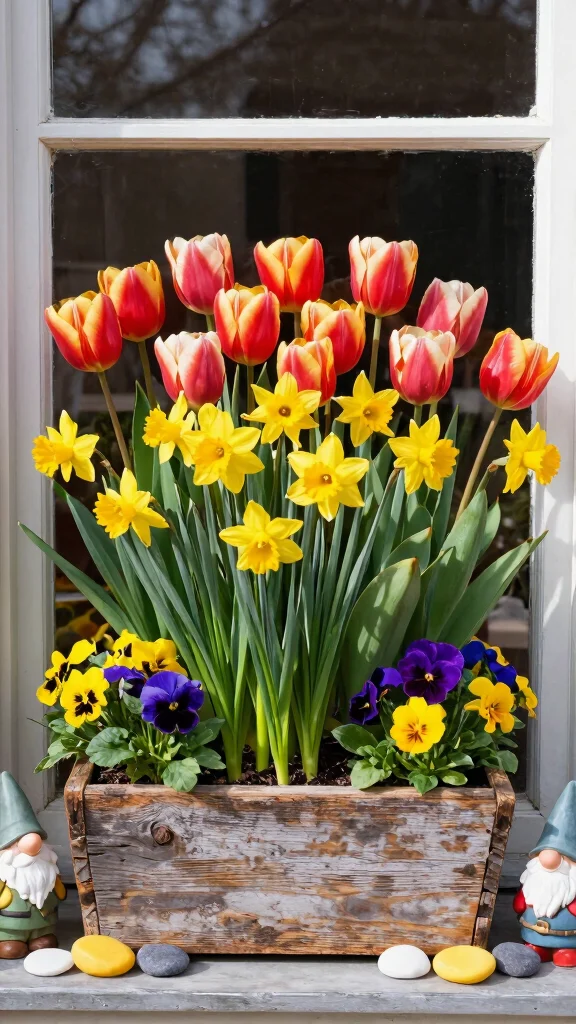
Why settle for a static look when you can enjoy the beauty of changing seasons? By swapping out your planter contents with each season, you can keep your window vibrant and engaging. Picture bright tulips in spring, lush petunias in summer, and warm-hued pansies in fall. Here’s how to create a seasonal display that dazzles!
Ingredients:
– Various seasonal plants (tulips, petunias, pansies)
– Potting mix suitable for flowers
– Decorative elements (like small pumpkins or holiday lights)
Instructions:
1. Mark your calendar for seasonal changes to remind you when to swap plants.
2. Choose seasonal flowers or herbs that thrive during that period.
3. Plant them in your window box according to the season.
4. Add decorative elements to enhance the theme.
5. Maintain proper care for each type of plant.
FAQs:
– Can I use the same planter for all seasons? Yes, just refresh the plants each season.
– How do I choose seasonal plants? Research plants that are best suited for your climate throughout the year.
10. Fairy Lights & Planters: A Magical Touch
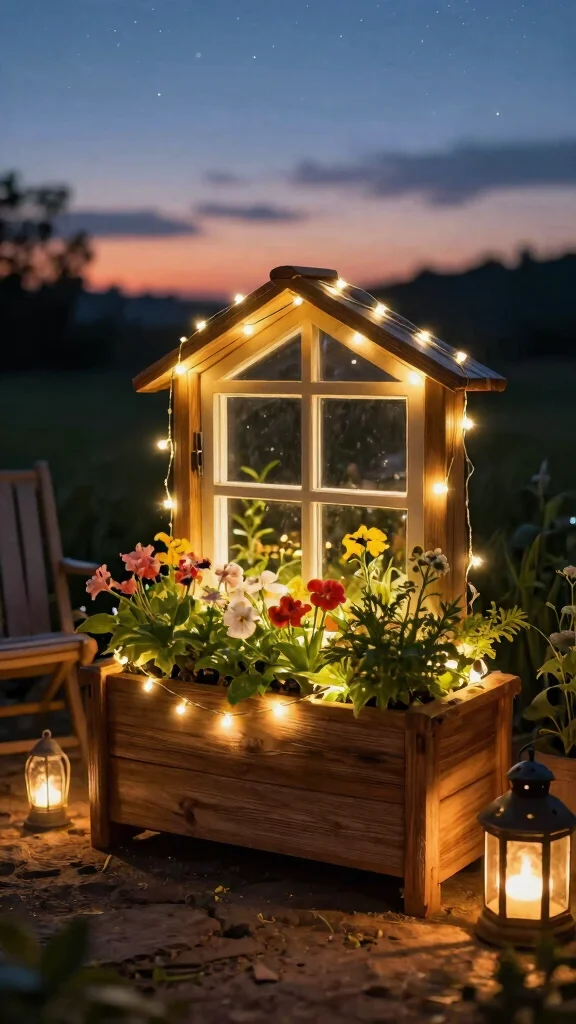
Want to add a sprinkle of magic to your evenings? Fairy lights can transform your window planter boxes into a whimsical display! These tiny lights not only illuminate your plants but also create a cozy ambiance perfect for gatherings or quiet nights at home. Here’s how to add this enchanting touch to your planter!
Ingredients:
– Solar-powered fairy lights
– Window planter filled with plants
– Optional: decorative stones or ornaments
Instructions:
1. Choose solar-powered fairy lights for convenience.
2. Wind the lights around the plants or along the edges of the planter.
3. Ensure your plants are healthy and well-watered before nightfall.
4. Change the lights or decorations seasonally for a fresh look.
5. Enjoy your magical ambiance in the evenings!
FAQs:
– Can I use regular lights? Solar-powered is best for outdoor use without needing sockets.
– How do I maintain the lights? Check them regularly to ensure they’re functioning properly.
Fact: Solar-powered fairy lights use less than 1 watt of energy per hour, yet they transform window planter boxes into nightly spectacles. In minutes, you’ll create a cozy, glowing display that invites guests to linger.
11. Terracotta Charm: Classic and Timeless
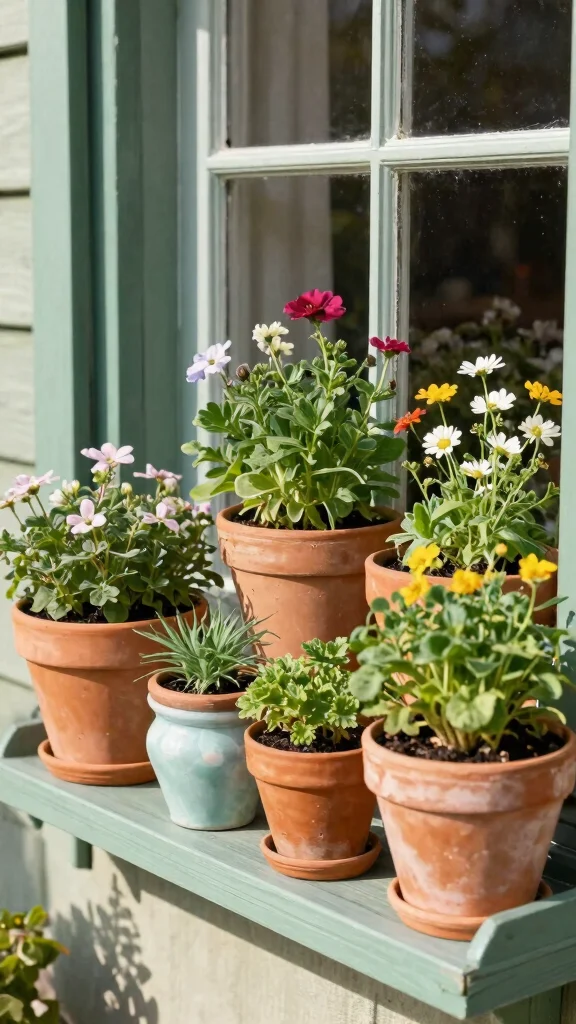
Are you drawn to the timeless beauty of terracotta pots? Incorporating them into your window planter box adds classic charm and excellent drainage for your plants. With a variety of sizes, these pots can create an appealing display that enhances your home’s character. Here’s how to make the most of terracotta in your gardening!
Ingredients:
– Varied sizes of terracotta pots
– Potting mix suitable for your plants
– Plants (herbs, flowers, or small vegetables)
Instructions:
1. Select a mix of terracotta pots for visual interest.
2. Fill each pot with potting mix.
3. Plant your chosen herbs or flowers, ensuring they have enough space.
4. Water thoroughly and check moisture levels regularly.
5. Consider painting or decorating the pots for a personal touch.
FAQs:
– Do terracotta pots require special care? Yes, they can dry out faster, so monitor watering closely.
– Can I use terracotta for all plants? Yes, but ensure they match the moisture needs of your chosen plants.
12. Upcycled Containers: Eco-Friendly Style
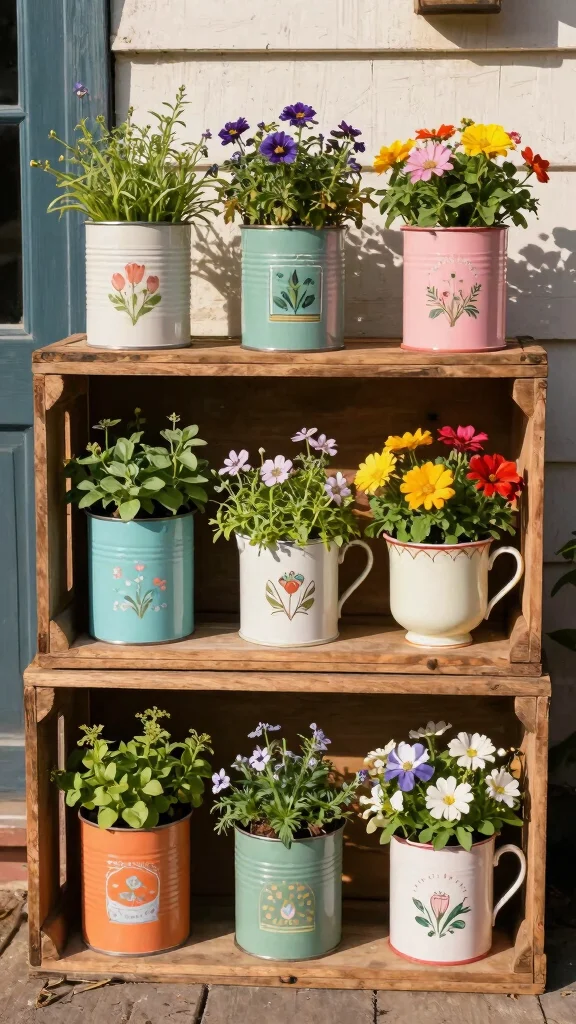
Are you ready to unleash your creativity with upcycled containers as window planters? Items like tin cans, old crates, or even teacups can add a quirky and personalized touch to your garden. This eco-friendly approach not only promotes sustainability but also encourages unique expressions of your gardening style! Here’s how to transform ordinary items into charming planters.
Ingredients:
– Upcycled containers (tin cans, crates, teacups)
– Potting mix
– Small plants (herbs or compact flowers)
Instructions:
1. Choose containers that can hold soil and have drainage holes.
2. Prep your containers, ensuring they’re clean and ready for planting.
3. Fill them with potting mix and plant your chosen flowers or herbs.
4. Decorate your containers for added flair.
5. Water your plants and place them in a sunny spot.
FAQs:
– Can I use any container? Yes, as long as it can hold soil and has drainage.
– How can I decorate my containers? Paint, add stickers, or use twine for a personal touch.
13. Window Box with a Twist: Mixed Plantings
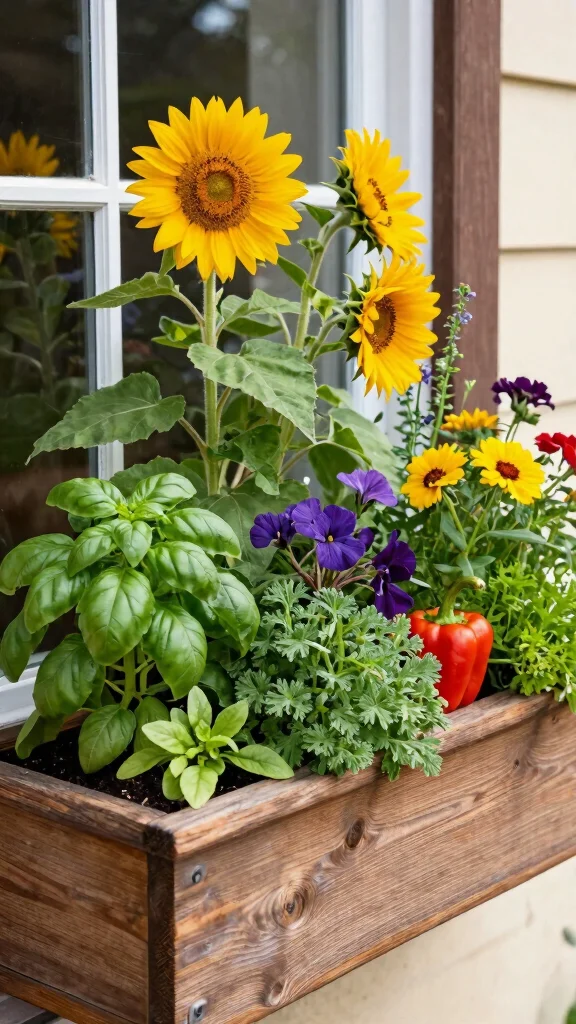
Looking to create a stunning window box that’s bursting with life? Mixing different plants—herbs, flowers, and even small vegetables—can create a vibrant and diverse display. This not only looks appealing but also offers a mini edible garden right outside your window! Here’s how to craft a delightful mixed planting box.
Ingredients:
– Window box planter
– A mix of compatible plants (herbs, flowers, small veggies)
– Potting soil suitable for all types of plants
Instructions:
1. Choose a planter that fits your window space.
2. Fill with potting soil, leaving room for plants.
3. Select a mix of plants that have similar care needs.
4. Arrange taller plants at the back and shorter ones in front.
5. Water and maintain regularly to keep your mixed planter thriving.
FAQs:
– Can I plant different types together? Yes, just ensure they have similar light and water requirements.
– How should I maintain my mixed planter? Regularly check for health and water as needed.
Conclusion
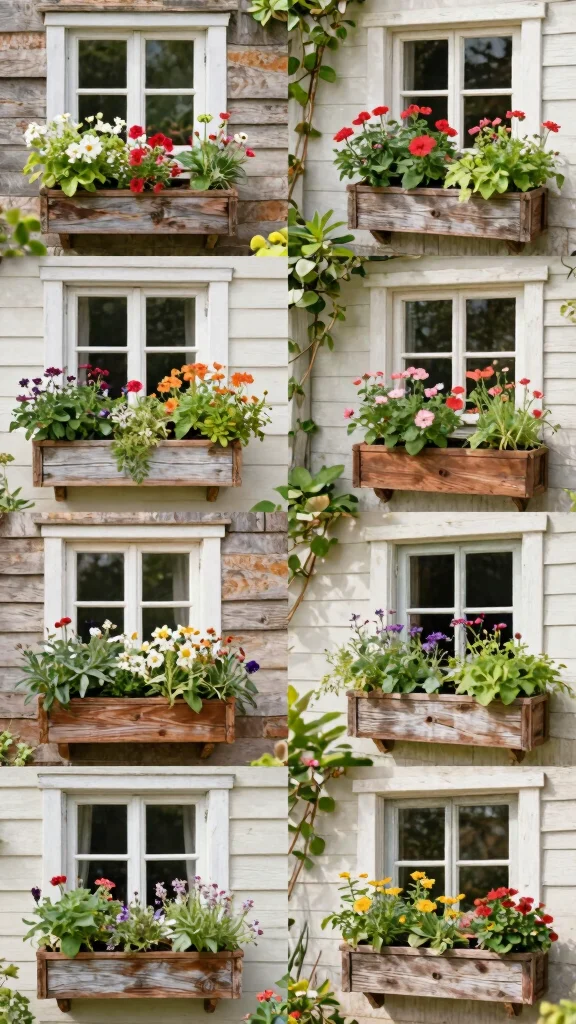
These 13 window planter box ideas are not just about enhancing your home’s curb appeal but also about bringing life, color, and practicality to your small space.
Embrace these creative concepts and make your window boxes a reflection of your personality and style. Whether you’re a gardening novice or a seasoned expert, there’s something here for everyone! Let these ideas stimulate your gardening spirit and inspire you to transform your home into a cottage-worthy haven.
Note: We aim to provide accurate product links, but some may occasionally expire or become unavailable. If this happens, please search directly on Amazon for the product or a suitable alternative.
This post contains Amazon affiliate links, meaning we may earn a small commission if you purchase through our links, at no extra cost to you.
Frequently Asked Questions
What are the best window planter box ideas to achieve a cottage-worthy kerb-appeal boost that takes minutes to plant?
To get cottage-worthy kerb-appeal in minutes, start with a cohesive theme that echoes cottage garden ideas. Choose window planter boxes that fit your sills with good drainage and a simple color palette. Fill with a fast, beginner-friendly herb/flower combo so you can plant and enjoy immediately.
Try grouping 3–4 plants: a fragrant herb trio (thyme, oregano, chives) as a base, plus a trailing annual for color and texture. Place taller varieties at the back and trailing varieties at the front for a balanced display. Water regularly and ensure they get morning sun for best growth. Finish with a lightweight mulch or decorative stones for instant curb appeal tips.
With these tweaks, your planter box setup becomes an instant outdoor decor feature you can plant in minutes.
How can herb window planter boxes work in a small space to maximise freshness and fit into cottage garden ideas?
Herb window planter boxes are perfect for small spaces. Start with a sunny spot and group herbs with similar water needs. Use a light, fast-draining potting mix and ensure each box has drainage holes and a drip tray. Plant a compact trio like basil, chives, and thyme in the back row, with oregano or parsley trailing at the front. Water in the morning and harvest regularly to keep growth vigorous and to keep fresh herbs close to your kitchen. This approach aligns with cottage garden ideas and container gardening tips, and makes your outdoor decor feel lush even on a balcony or narrow porch.
For extra flavor and fragrance, rotate herbs seasonally and replace any struggling plants with hardy perennials from your local nursery.
Which materials and DIY planter box designs are ideal for creating window boxes that look timeless and boost curb appeal tips?
Go for rot-resistant woods like cedar or redwood, or durable composites. Use a simple rectangular shape that fits most sills and pair with a soft paint or stain in cottage tones. Line the inside with a breathable landscape fabric to prevent wood rot, and drill drainage holes if missing. For the DIY vibe, use tongue-and-groove joints or hidden screws for a clean finish. Add a thin trim and a couple of decorative brackets to evoke cottage garden ideas. Ready-to-assemble kits make it easy to create window planter boxes without heavy building.
Pro-tip: seal or paint the exterior to protect from rain and sun, and choose a color that complements your home for instant curb appeal tips.
What is a simple, maintenance-light setup for planting and caring for window planter boxes so they stay vibrant with minutes-to-plant effort?
Use a lightweight, well-draining potting mix with compost, choose 2–3 herbs or flowering annuals that thrive together, and plant in one layer with taller plants at the back. Water early in the day and mulch the surface to reduce evaporation. Feed with a balanced, water-soluble fertilizer every 4–6 weeks during the growing season. Deadhead flowers and trim herbs to encourage bushier growth. This approach keeps outdoor decor looking fresh and ensures your container gardening remains low effort.
Seasonally swap in a few color accents, like trailing verbena, to keep the curb appeal up year-round.
Can window planter boxes be used for more than herbs, and what quick container gardening combos work for outdoor decor?
Absolutely. You can mix edible herbs with flowering annuals or compact perennials for color and fragrance. Try combos like thyme + salvias + calendula for a cottage garden feel, or chives with nasturtiums for edible color. Use sun-loving plants in bright boxes and shade-tolerant options if your window faces north. Keep to a simple rotation schedule so you always have something blooming. This mix supports strong outdoor decor, simple container gardening, and the overall cottage garden ideas vibe you want in a kerb-friendly display.
Remember to check sun exposure and adjust plant choices seasonally to maintain curb appeal tips throughout the year.
Related Topics
window planter boxes
cottage garden
outdoor decor
DIY planter boxes
curb appeal tips
container gardening
small space gardening
herb planters
easy gardening
quick tips
seasonal planting
beginner friendly